About Us
About Dr. J.J. Gregor
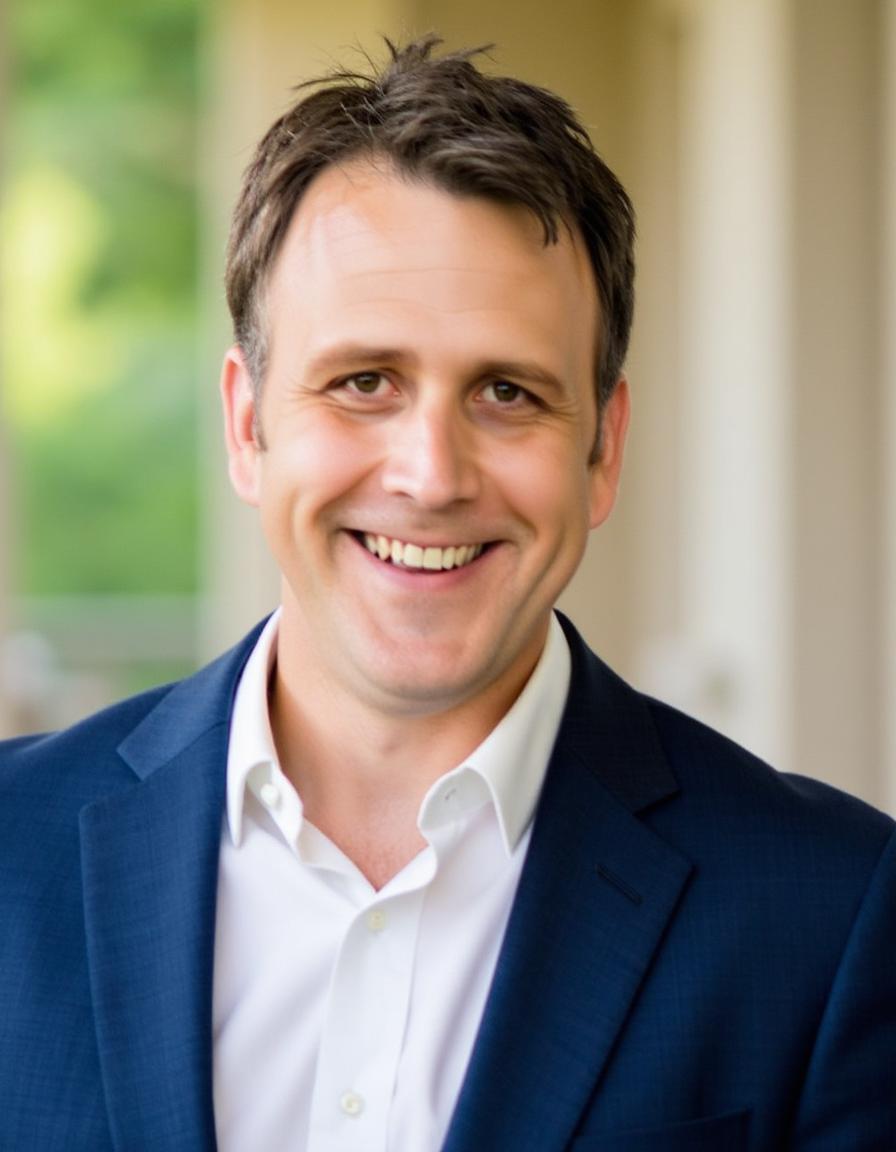
The Path to Applied Kinesiology
I grew up in Charleston, West Virginia, and started college at Marshall University where I earned a Bachelor's degree in Chemistry in 1999. The chemistry background gave me the foundation to understand biochemistry and physiology at a level most chiropractors don't reach.
I moved to Dallas to attend Parker College of Chiropractic, graduating with my Doctorate in 2003. But standard chiropractic wasn't answering the questions I had about why patients with similar symptoms responded so differently to the same treatment.
Applied Kinesiology gave me those answers.
Why Applied Kinesiology
Standard chiropractic adjusts where it hurts. Applied Kinesiology identifies why your body developed the compensation patterns creating that pain in the first place.
Most chronic problems aren't caused by the thing that hurts right now. They're caused by patterns your nervous system developed months or years ago, often far from where you feel symptoms.
Muscle testing makes those patterns visible. It shows me where your nervous system isn't controlling movement correctly, then I figure out what's interfering: joint dysfunction, old compensation patterns, nutritional deficiencies affecting nerve function, postural stress.
That's what drew me to Applied Kinesiology. It answers the question "why" instead of just treating "where."
Training and Credentials
Diplomate, International Board of Applied Kinesiology (DIBAK)
The highest level of Applied Kinesiology certification. Fewer than 500 practitioners worldwide hold this credential. It requires 300+ hours of intensive training beyond basic AK courses, three years of supervised practice, written and practical board examinations, and ongoing continuing education.
This isn't a weekend seminar certification. It's mastery of George Goodheart's original protocols and the decades of clinical development that followed.
Diplomate, Chiropractic Clinical Nutrition (DCCN)
Advanced certification in clinical nutrition and biochemistry. When muscle testing reveals nutritional factors affecting your function, this training ensures recommendations are evidence-based and targeted to what your nervous system actually needs. Not generic supplement protocols.
Teaching Applied Kinesiology
I teach Applied Kinesiology courses to chiropractors, medical doctors, naturopaths, and other healthcare practitioners across the country. Teaching forces you to understand the material at a deeper level than just applying it clinically. It also keeps me connected to the latest developments in the field.
The Practice Philosophy
I established my practice in Frisco because the North Dallas area needed practitioners who could find answers when conventional approaches failed.
Most patients come to me after they've been told "everything's normal" despite ongoing symptoms. Or they've tried standard treatment and the problem keeps coming back. Or they have complex cases where multiple systems seem involved and nobody can figure out the pattern.
That's what Applied Kinesiology is designed for: finding the functional patterns conventional testing doesn't measure.
I'm not interested in indefinite treatment plans. If I can identify what's wrong and correct it, most patients see significant improvement in 4-6 visits. If we're not making progress within a month, I'll tell you and refer you elsewhere.
The goal isn't keeping you as a patient forever. The goal is figuring out what's actually wrong and fixing it.
Beyond the Office
I live in Frisco with my wife Erin, our two kids, and our six dogs.
The chemistry degree wasn't wasted. I still think like a scientist. I want to understand mechanisms, not just observe correlations. That's why I'm drawn to the evolving research in functional neurology, viscerosomatic reflexes, and nutritional biochemistry. Applied Kinesiology lets me identify patterns clinically that research eventually validates decades later.
We discussed intestinal permeability in the 1970s. Medicine accepted it in the 2000s. We mapped glutathione pathways functionally in the 1980s. It became mainstream post-COVID.
We work at the edge of current research. That's not fringe medicine. It's clinical innovation.
What Matters
B.J. Palmer wrote, "I have never considered it beneath my dignity to do anything that will relieve human suffering."
My version: I'll figure out what's actually wrong with you, tell you the truth about whether I can help, and if I can't, I'll send you to someone who can.
No endless treatment plans. No overpromising results. No treating you indefinitely without answers.
Just honest assessment and effective treatment for functional patterns conventional medicine isn't equipped to find.
Ready to find out what's actually wrong?
Questions first?
Call or text: (972) 989-4683
Email: drjj@drjj gregor.com