
The Proteins We Should Eat: A list of High Protein Foods
The Proteins We Should Eat: A list of High Protein Foods
 Most health problems we have today can be traced back to the foods we eat and choose not to eat. Honestly, most of those problems are linked to not balancing blood sugar. When I tell patients they need to clean up their diet and stop eating bread, pasta, cakes, cookies, candy, rice, potatoes, soda, brownies and doughnuts, they respond with one of two choices: They cry, or, say there's nothing left to eat. It really isn't the end of the world! There is, in fact, plenty to eat. If it grew out of the ground or used to walk on the ground, fly in the sky or swim in the sea, you are pretty safe eating it. Most people are still overwhelmed by this, so here's a list of high protein foods you should be eating.
Mammals
Most of our American diet comes from this group. Personally, I'm a huge fan of beef, bacon, and lamb. We still have to be somewhat careful with what we choose to eat off this list. Concentrate on eathing these thin...
List of Vitamins In The Foods You Should Be Eating

This is a basic guide that will assist you in determining what foods to eat that will be most beneficial in supplementing the vitamins your body needs. With so many choices it won’t be difficult to maintain a healthy diet and make it much easier to avoid the foods that are causing you problems. Foods that contain Vitamin A, include:
| Liver | Eggs | Butter | Apricots |
| Carrots | Cantaloupe | Tomatoes | Spinach |
| Peaches | Peppers | Yams | Kale |
| Mango | Broccoli | Collards | Pumpkin |
| Peas |
Foods that contain Vitamin B1 (Thiamine), include:
| Brewer’s Yeast | Blackstrap | Molasses | Brown Rice |
| Sunflower Seeds | Brazil Nuts | Eggs | Liver |
| Poultry | Fish | Beef | Flax |
| Kale | Oatmeal | Cauliflower | Asparagus |
Foods that contain Vitamin B2 (Riboflavin), include:
| Almonds | Eggs | Liver | Brussels Sprouts |
| Leafy Green Veggies | Cheese | Fish |
Foods that contain Vitamin B3 (Niacin), include:
| Salmon | Tuna | Beef | Chicken |
But I Just Bent Over To Pick Up A Pencil!

I hear it almost every day in practice, "I was helping a friend move, and now my back is killing me!" With more than 1/3 of all moves happening during the summer, I've heard it a lot! If you're anticipating a move this summer or even if you just got suckered into helping a buddy move, you will be lifting, bending, packing, reaching, climbing. You need to ensure you don’t hurt yourself by lifting correctly.
Lifting correctly Can HELP but it's not all!
Most of us already have some abnormal body function taking place. If we lift and something ‘snaps,' the damage was most likely already there, just brought to the surface by the effort. Your back doesn't slip while trying to pick up a pencil; it's simply not a sudden injury that occurs. There has been a tremendous amount of research done over the past few years about why these seemingly random injuries take place, particularly during innocuous tasks. Chiropractic and Applied Kinesiology uses muscles to determine different movement ...
Eating Paleo Improves Your Dental Health
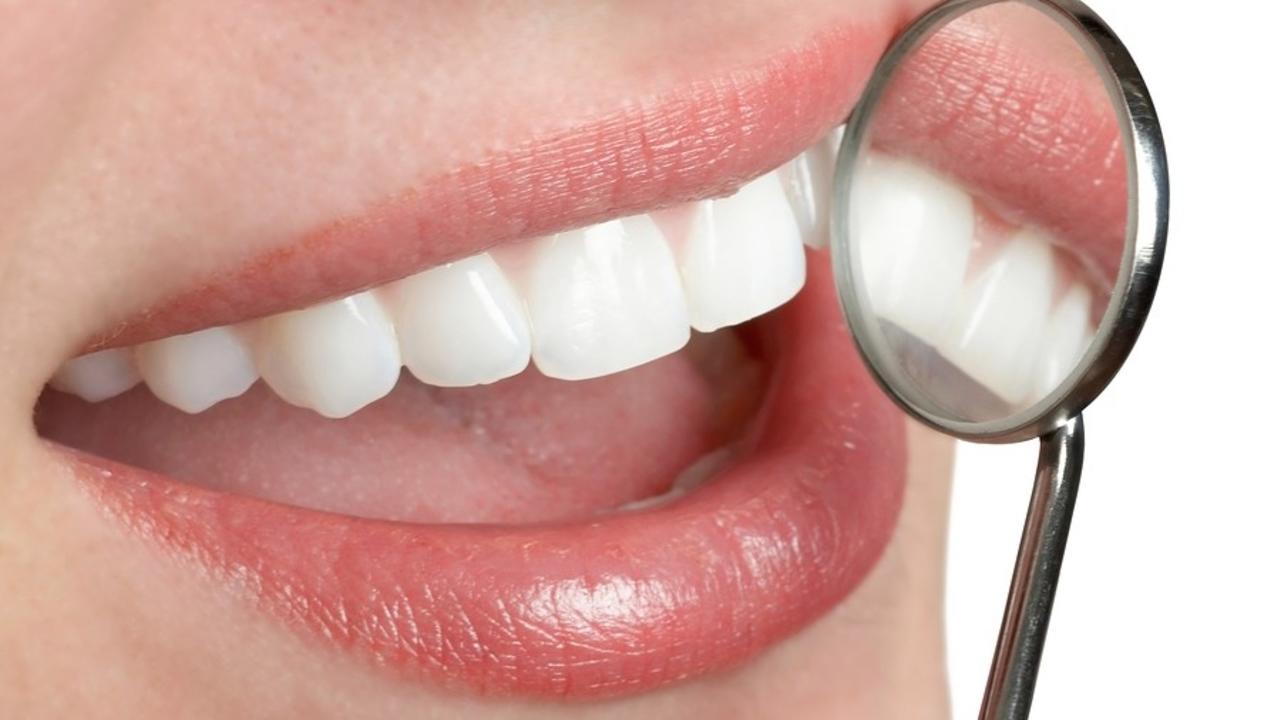
If you are interested in warding off dental health problems before they begin and improving your overall dental health, you have to think about what you are putting into your body. What we eat impacts our entire body, and that, of course, includes our teeth and gums.
As you know, following a Paleo Diet means avoiding processed and packaged foods and Food allergies like wheat, corn, dairy, soy, legumes and increasing your vegetables, fruits, seafood and lean meats. Not only do these foods lack the vitamins and minerals your body needs, they contain little to no nutritional benefits.
This directly impacts the health of your teeth and gums. By staying away from processed foods, your teeth and gums will benefit, just like the rest of your body. Far as your dental health is concerned, sugar is the big bad guy here. Toxic bacterial byproducts eat away teeth structure and bone and cause cavities and periodontal disease. They create a highly acidic environment.
Tooth decay is caused ...
What Causes Sleep Apnea and What You Can Do To Fix It

By Dr. J. J. Gregor
In 2009 I was lucky enough to travel to Munich, Germany to take an advanced certification test (Diplomate in Applied Kinesiology) and was able to take my mother, who had never been to Europe. We shared a room, and the trip was amazing. However, my mom did manage to scare the hell out of me in the middle of the night the first night when she would just stop breathing for a breath or two, several times. If you've had the misfortune of ever witnessing this, you understand what a disturbing experience it is. I made her go to a sleep center when she got home, and they officially diagnosed her with sleep apnea.
This is a common chronic disorder, which disrupts the sleep of close to 25% of the population in the U.S. And if left untreated, is extremely dangerous. There are two types of sleep apnea. The first and most common type is obstructive sleep apnea, where your airway becomes blocked or even collapses. Most of the time the cause of the obstruction is an inhib...
Eat Locally and Ancestrally
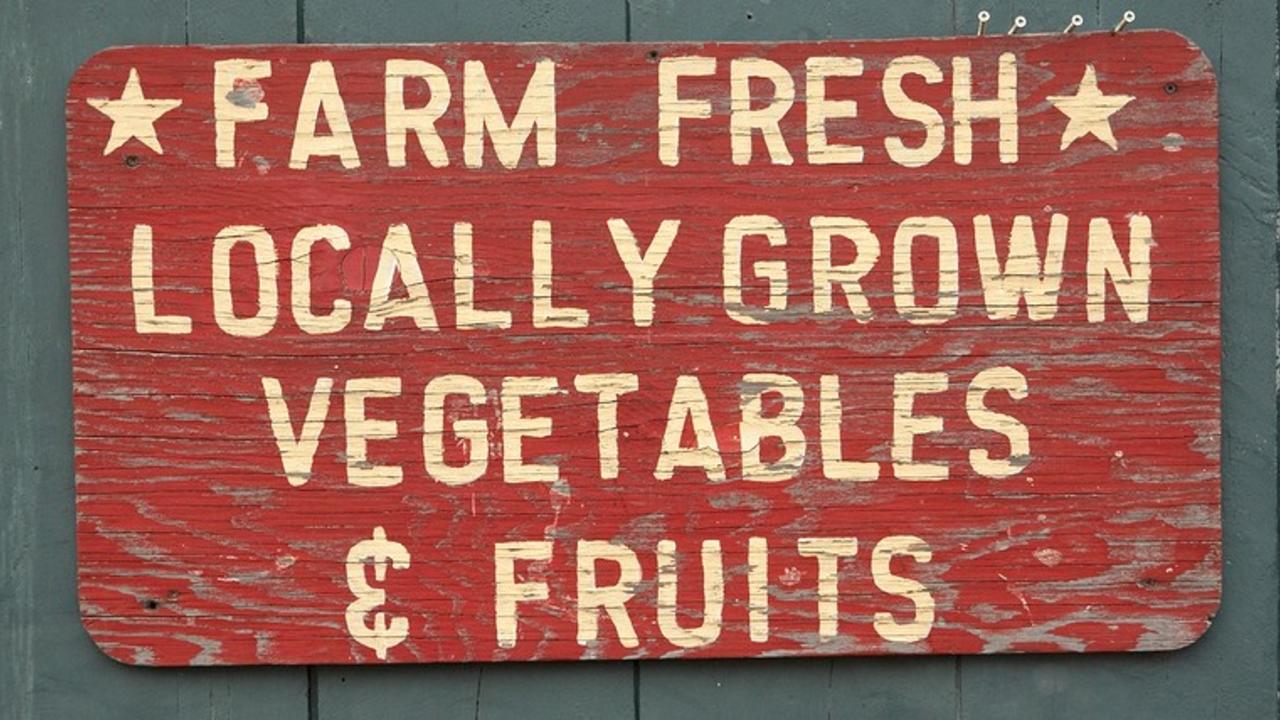
Eat Local to Improve Your Health and the Environment
Dr. J. J. Gregor DC
One of the main tenants of the Ancestral Diet (Paleo or Primal) is to eat locally. As we were 'growing up' as a species, before the advent of agriculture, we could only eat what we could find growing wild or what we could hunt. Hence, we were hunter-gatherers. We did this for around 200,000 years.
Not to eat locally means that our genes are designed to eat a variety food that can be walked to in less than a day. Unfortunately, today our diets can't be considered local. In fact, they are far from local. The average distance an American meal travels from farm to fork is about 1500 miles!
This is the distance from my office here in Dallas, TX to Boston, MA. There are significant problems with this in regards to the freshness of the food. Usually, it takes three to five days after harvest to get to your local grocery store, so these foods were harvested five to ten days before they were ripe or when our a...
Beans, Not So Good for Your Heart!
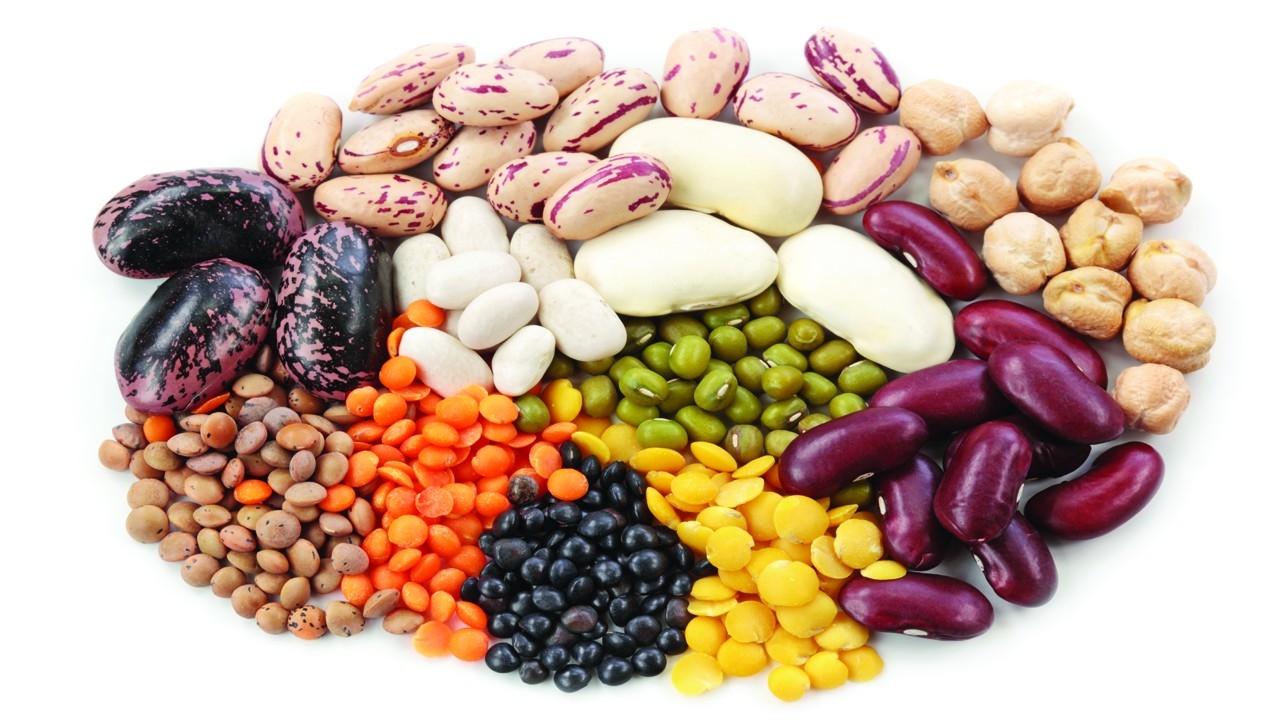
Phytates Bind Essential Minerals in Your Diet
Dr. J. J. Gregor DC
If I told you that a chemical, called phytates, found in one food group had been linked to osteoporosis, depression, cardiovascular disease, type II diabetes, dementia, bowel dysfunction, potential male impotence, and iron deficiency anemia, would you eat those foods? Although it seems pretty impossible, there is one toxic food that can cause all of these problems. This horrible plague of phytates are naturally found in any grain, nut, seed or legumes:
Wheat, Oats, Quinoa, Spelt, Almonds, Soybeans, etc. All have significant amounts of Phytic Acid or phytates. These phytates are what are called chelators, meaning they bind things up, which prevents your gut from absorbing them.
Now if we were to simply talk about chelating Uranium, then that's a great thing. However, these phytates also bind up important minerals like Calcium, Magnesium, Iron and Zinc. If you eat grains, nuts, seeds or legumes you may experience...
Soy - It's Not What You Think
Soy has been labeled a superfood that's been said to help menopausal symptoms, decrease the risk of heart disease, reverse osteoporosis, and fight cancer.
Unfortunately, I don't believe it is the amazing thing it's made out to be, and it's time to reconsider soy's place as a panacea of modern society. Very few of these benefits have been substantiated, and in fact is outright miss-representations of the facts.
So let’s talk about all the adverse effects of soy, which are a lot and not good for your body. "Soy foods can prevent osteoporosis." This fallacy came out of the observation that Asian cultures ate soy and have little or no incidents of osteoporosis.
This is not true; Soy foods can cause deficiencies in calcium and vitamin D, both needed for healthy bones. Calcium from bone broths and vitamin D from seafood, lard and organ meats prevent osteoporosis in Asian countries—not soy foods. "Soy can prevent some cancers" this thought is based on the fact that soy contains phytoes...
Grow Your Own Food Without a Garden

A Container Garden Can be an easy way to Fresh Cheap Organic Veggies! By Dr. J. J. Gregor
Are you trying to switch to a healthier lifestyle, but shocked at the cost of organic vegetables and herbs? Even though you may not live on an acre of land, you still can easily start growing some of your own food in a container garden. Anyone who’s ever picked a vine ripened tomato and popped it into their mouth, or had a salad made with greens and herbs harvested 30 minutes prior to eating it very much appreciates the incredible freshness and superior taste of home grown produce. And here’s a bonus: No chemicals or preservatives. Trust me when I say that I am the least grow your own garden type of guy out there, but even I've been able to get some vegetables growing. Whether you have an small apartment patio or even a back yard that you don't want to rip up to create an in-ground garden, fresh and easily grown produce can easily be done in a pot. That pot can be on the patio, the front po...
How Corn is Hurting You

By J. J. Gregor
Do you suffer from a skin condition? Have a mental imbalance (anything from ADD to Dementia to Depression)? Have an irritable bowl with diarrhea, constipation, or even both? Suffering from chronic fatigue? Or do you suffer from allergies? If you've answered 'yes' to any of these, hold off on your next run to the local pharmacy where you'll grab a quick fix. In fact, a fix may come from your diet. Chances are you're suffering, on some level, from a corn sensitivity. You might be trying to think back to the last time you had some corn on the cob. Shockingly enough, you're getting corn in your system from many other sources. It's a staple food source, often part of three to four meals a day! If it comes in a package, corn is most likely an ingredient. Why? Well, high Fructose Corn Syrup is the go-to sweetener in this country. Most of the cattle in this country are fed corn to fatten them before slaughter. Even some beers use corn as their grain of choice. ...