
Stress Is More Than Just Emotional

Educational Content Disclaimer: This article provides educational information only and is not intended as medical advice, diagnosis, or treatment. The content discusses general health topics and should not replace consultation with your licensed healthcare provider. Always consult with your doctor before making changes to your diet, supplements, or medications. Dr. JJ Gregor is a Doctor of Chiropractic licensed in Texas and practices within the scope of chiropractic care.
I ask every patient the same question: "Are you experiencing stress?"
Nine times out of ten, the answer is: "No, Doc. I'm good. Life is good. The kids are fine. Job's stable. House is safe. I don't experience stress on a daily basis."
Then I examine them. And everything I find tells me the opposite. Their body is screaming stress signals.
Here's the disconnect: when most people hear "stress," they only think about the emotional stuff. The difficult boss. The relationship problems. The financial pressure. Th...
Winter Dehydration Could Be Wrecking Your Health
Winter Dehydration Could Be Wrecking Your Health
Winter hit hard this week. Arctic air pushed down from Canada, and most of the U.S. is locked in freezing temperatures.
Cold weather brings an unexpected health problem most people miss: dehydration.
You're not sweating. You're not exercising outside. You don't feel thirsty. But your body is losing water faster in winter than it does during summer heat.
Here's why winter dehydration happens, what it's doing to your health, and how to fix it.
Why You Dehydrate in Winter
Summer dehydration is obvious. You sweat. You see it. You feel it. You drink more water instinctively.
Winter dehydration is invisible.
The mechanism:
Cold air holds less moisture than warm air. When temperatures drop, relative humidity plummets. Your body contains more water than the surrounding air, which creates an osmotic gradient.
Water evaporates continuously from your skin and lungs. Every breath you take releases water vapor. Every inch of exposed skin lo...
All Water is Not Created Equal
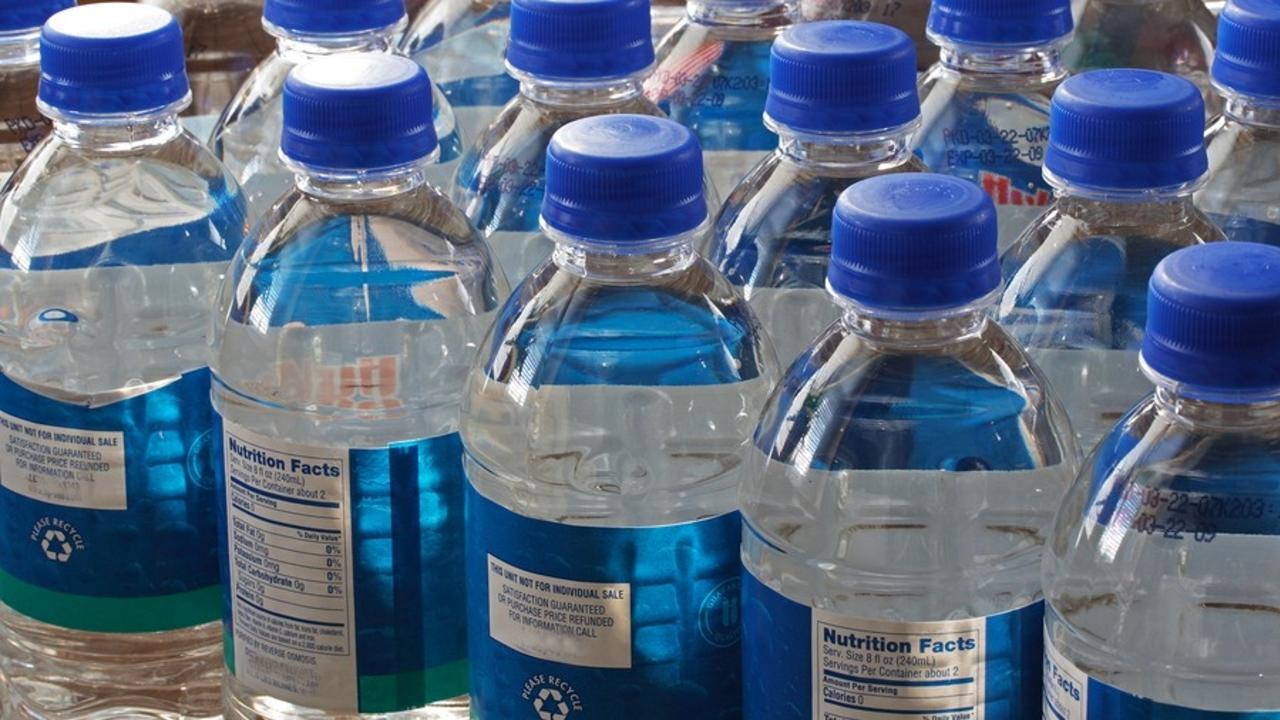
All Water Is Not Created Equal
Everyone's carrying a water bottle. But not all water hydrates the same way.
You can drink a gallon of the wrong type and still end up chronically dehydrated, running to the bathroom every hour while your cells stay thirsty.
The difference isn't just purity. It's mineral content, osmolarity, and whether your body can actually hold onto what you're drinking.
Here's how to choose water that actually works.
Why Water Type Matters for Hydration
Your body doesn't just need H₂O molecules. It needs water with the right mineral content and electrical charge to move across cell membranes and stay in your tissues.
Pure water (no minerals) has low osmolarity. It passes through your system quickly because there's nothing holding it in your cells. You drink it, you pee it out, and your intracellular hydration status doesn't change.
Water with minerals has higher osmolarity. The dissolved electrolytes (sodium, magnesium, calcium, potassium) create the osmotic g...