
What Smartphone Addiction Actually Does to Your Brain: The Science
Educational Content Disclaimer: This article provides educational information only and is not intended as medical advice, diagnosis, or treatment. The content discusses general health topics and should not replace consultation with your licensed healthcare provider. Always consult with your doctor before making changes to your diet, supplements, or medications. Dr. JJ Gregor is a Doctor of Chiropractic licensed in Texas and practices within the scope of chiropractic care.
We decided early on that we were not doing electronics at the dinner table.
No judgment if you do. But Erin and I made that call and we held it. Our kids read books at the table while we wait for food. Lily does crochet. We talk. It is, apparently, a spectacle. Servers comment on it. Other parents stare. Like we brought exotic animals to Applebee's.
I say that not to be smug about it. I say it because every single time it happens, I think: this is what normal used to look like.
We have decided, as a culture,
...The 72-Hour Reset: Why This Window Is Real and How to Actually Use It
Educational Content Disclaimer: This article provides educational information only and is not intended as medical advice, diagnosis, or treatment. The content discusses general health topics and should not replace consultation with your licensed healthcare provider. Always consult with your doctor before making changes to your diet, supplements, or medications. Dr. JJ Gregor is a Doctor of Chiropractic licensed in Texas and practices within the scope of chiropractic care.
Who are you following?
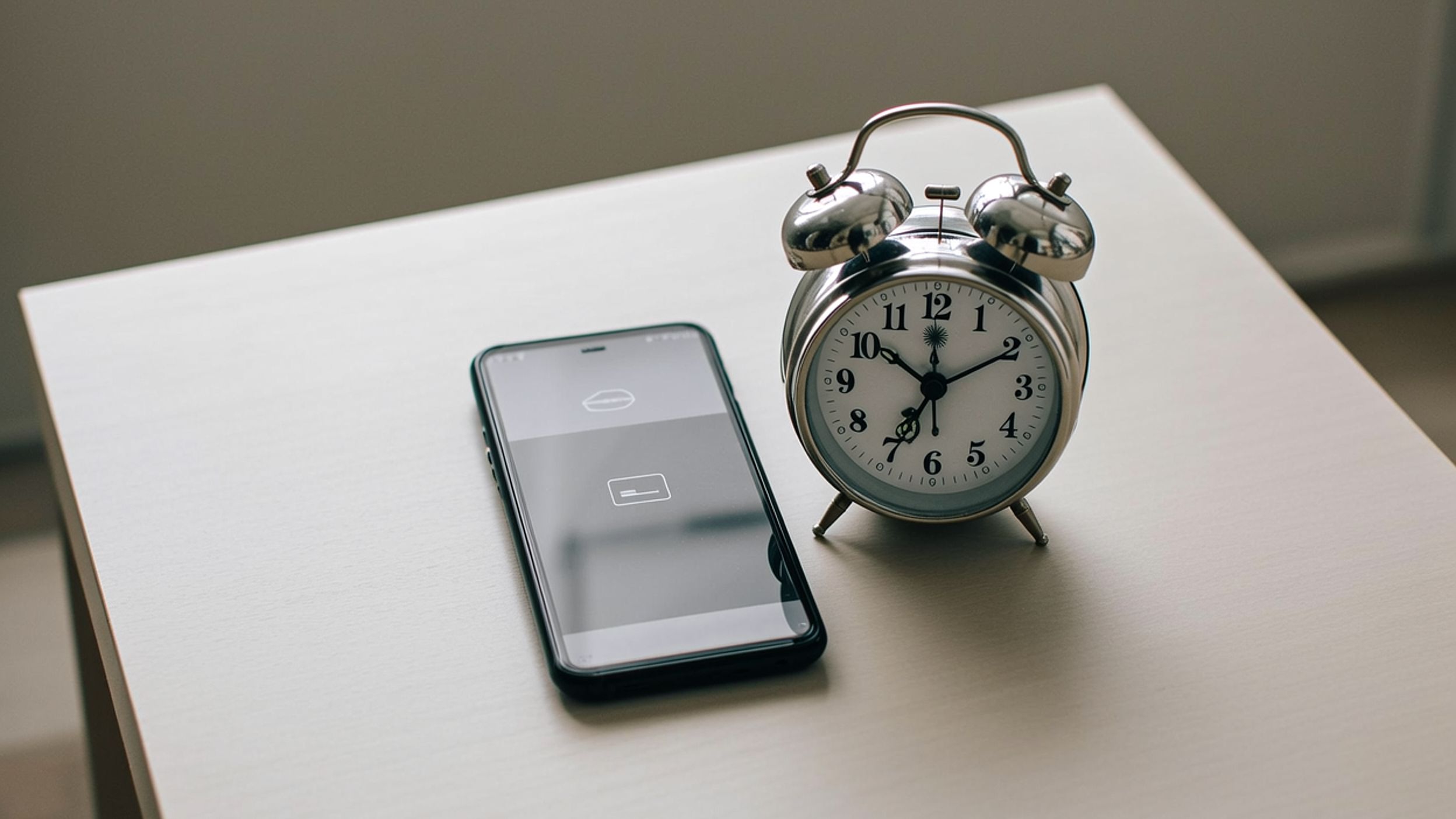
Are you letting the tech giants lead you? Are you outsourcing your brain power to an algorithm? Are you letting AI drive your decisions, your attention, your imagination? Because here is what I know after 24 years of watching people get healthier and watching people stay stuck: the people who get better are the ones who decide what they are following. Not what they are reacting to.
This is a post about your phone. But it is really about that question.
If you haven't read Sunday's pos...
Herion addicts like heroin... Just like we like our phones...
Educational Content Disclaimer: This article provides educational information only and is not intended as medical advice, diagnosis, or treatment. The content discusses general health topics and should not replace consultation with your licensed healthcare provider. Always consult with your doctor before making changes to your diet, supplements, or medications. Dr. JJ Gregor is a Doctor of Chiropractic licensed in Texas and practices within the scope of chiropractic care.
Every generation thinks it's the worst. We are, as a species, constitutionally Chicken Little. The sky is always falling.
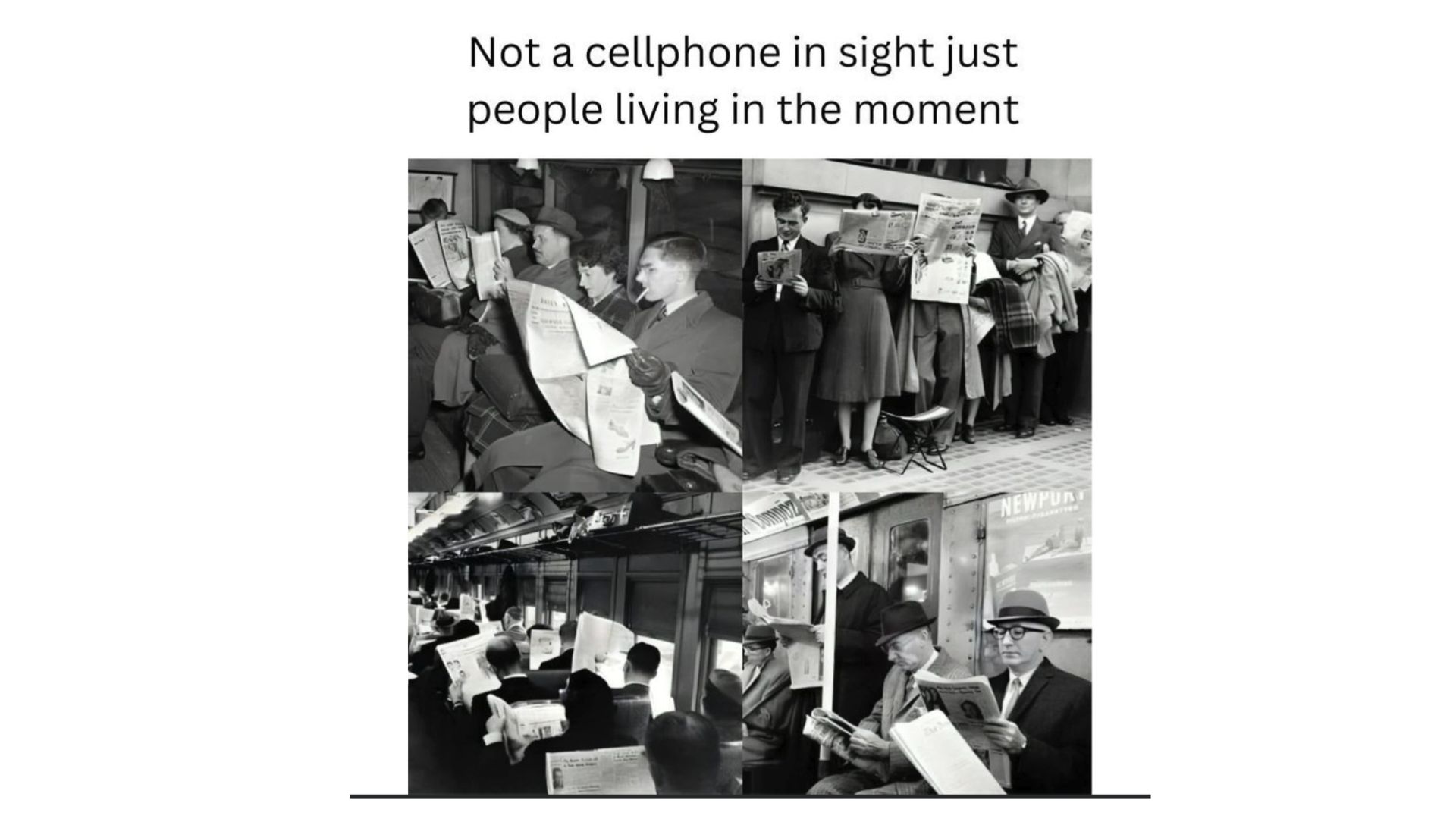
The meme at the top of this post makes that point better than I can. We look at people glued to their phones and declare the death of real human connection. And then you see the photo below it: a train car full of people in their Sunday best, every single face buried in a newspaper. Not one of them talking to each other. Not one of them present.
Socrates (or Plato, one of the two) reportedly...
Cortisol Resistance: Why You're Exhausted But Can't Relax

Educational Content Disclaimer: This article provides educational information only and is not intended as medical advice, diagnosis, or treatment. The content discusses general health topics and should not replace consultation with your licensed healthcare provider. Always consult with your doctor before making changes to your diet, supplements, or medications. Dr. JJ Gregor is a Doctor of Chiropractic licensed in Texas and practices within the scope of chiropractic care.
You're exhausted. Bone-deep, can't-get-out-of-bed exhausted. But you can't relax. Your mind races. Your heart pounds. You feel wired and anxious despite being completely depleted.
This doesn't make sense. How can you be exhausted AND wired at the same time?
The answer is cortisol resistance.
It's the same mechanism as insulin resistance, but instead of your cells ignoring insulin, they're ignoring cortisol. Your body keeps producing cortisol (or trying to), but your cells have stopped responding to it.
This i...
The Circadian Reset Protocol: How to Actually Fix What Daylight Saving Time Broke
Educational Content Disclaimer: This article provides educational information only and is not intended as medical advice, diagnosis, or treatment. The content discusses general health topics and should not replace consultation with your licensed healthcare provider. Always consult with your doctor before making changes to your diet, supplements, or medications. Dr. JJ Gregor is a Doctor of Chiropractic licensed in Texas and practices within the scope of chiropractic care.
If you're reading this, you survived Monday. Which is apparently one of the least healthy and most dangerous days on the calendar, so good job.
If you haven't read Part 1 yet, go back and do that first. The short version is: this isn't just one bad Monday. It's a population-wide circadian disruption with measurable consequences, and it takes four to five weeks to fully recover from. If you're lucky, you'll start feeling normal again by this weekend. But don't count on it.
And I'm sorry, I still don't care if yo...
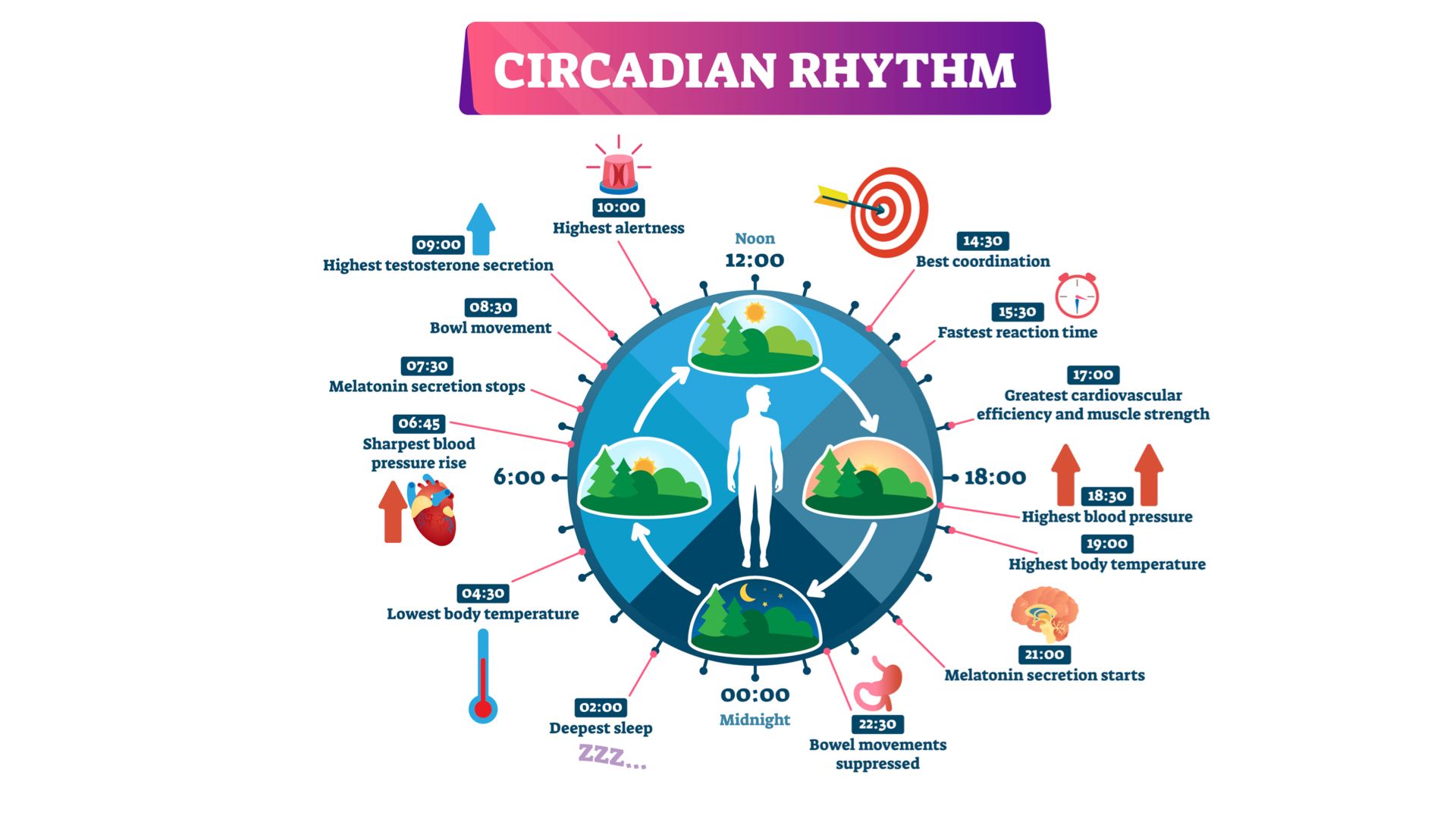
Daylight Saving Time Is a Public Health Crisis (And We Do It On Purpose)
Educational Content Disclaimer: This article provides educational information only and is not intended as medical advice, diagnosis, or treatment. The content discusses general health topics and should not replace consultation with your licensed healthcare provider. Always consult with your doctor before making changes to your diet, supplements, or medications. Dr. JJ Gregor is a Doctor of Chiropractic licensed in Texas and practices within the scope of chiropractic care.
Welcome to my absolute least favorite day of the year.
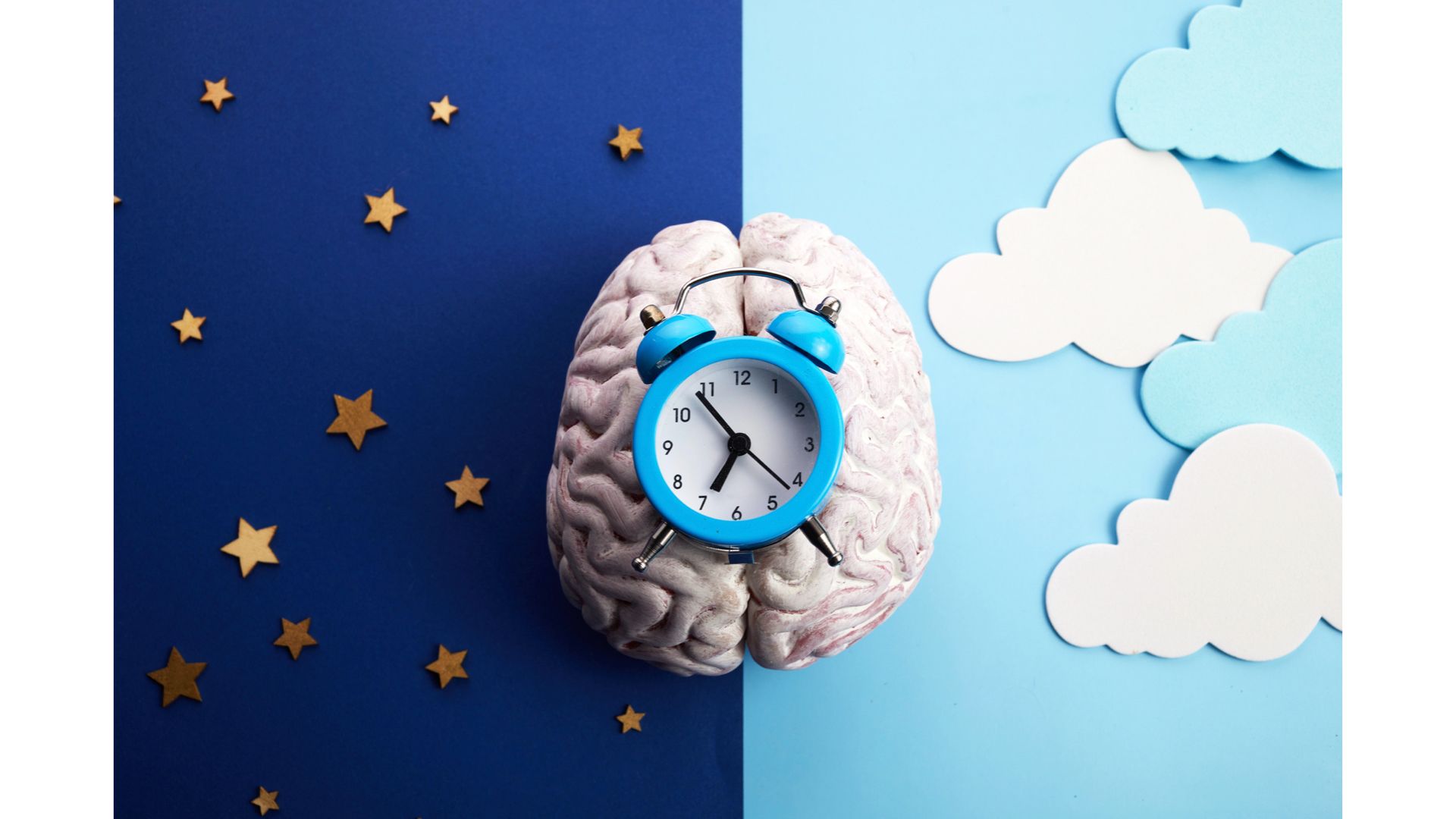
Last night, an hour was stolen from most of America. We don't get it back until we return to standard time in the fall. This morning, millions of people dragged themselves out of bed feeling like garbage. Tomorrow morning is going to be worse, because the acute hit of the clock change compounds when the work week starts and the alarm goes off earlier than your biology is ready for.
It's asinine. I hate it. I've hated it for years, and the data keeps giving ...
How to Get Present When the Toddler Is Mid-Tantrum

Educational Content Disclaimer: This article provides educational information only and is not intended as medical advice, diagnosis, or treatment. The content discusses general health topics and should not replace consultation with your licensed healthcare provider. Always consult with your doctor before making changes to your diet, supplements, or medications. Dr. JJ Gregor is a Doctor of Chiropractic licensed in Texas and practices within the scope of chiropractic care.
The first two posts in this series were about that angry little toddler in your head. The default mode network. The voice inside your head that is not really you.
That's the hard part to actually accept. Because at least for me, that internal dialogue always felt like who I was. It's the voice I hear when I read. The voice I hear when I think. I spent decades assuming that voice was me. It isn't. There's something underneath it: that breath, that moment of awareness that is more than just words and internal comm...
What Getting Present Actually Does to Your Body

Educational Content Disclaimer: This article provides educational information only and is not intended as medical advice, diagnosis, or treatment. The content discusses general health topics and should not replace consultation with your licensed healthcare provider. Always consult with your doctor before making changes to your diet, supplements, or medications. Dr. JJ Gregor is a Doctor of Chiropractic licensed in Texas and practices within the scope of chiropractic care.
So what the hell does it really mean for your health when the angry dictator of your thoughts (the guy with the German accent and the shitty little mustache, you know the one), that petulant little toddler of a hypercritical internal dialogue, rears his ugly little attitude?
One post wasn't enough. Learning why something works helps you figure out how to unplug it and unwind it.
In the last post we talked about the default mode network: the internal dialogue running old programming, generating anxiety about thi...
The Angry Little Dictator Running Your Life
Educational Content Disclaimer: This article provides educational information only and is not intended as medical advice, diagnosis, or treatment. The content discusses general health topics and should not replace consultation with your licensed healthcare provider. Always consult with your doctor before making changes to your diet, supplements, or medications. Dr. JJ Gregor is a Doctor of Chiropractic licensed in Texas and practices within the scope of chiropractic care.
We've all seen it. Or if you have kids, you've had the humbling experience of living it.
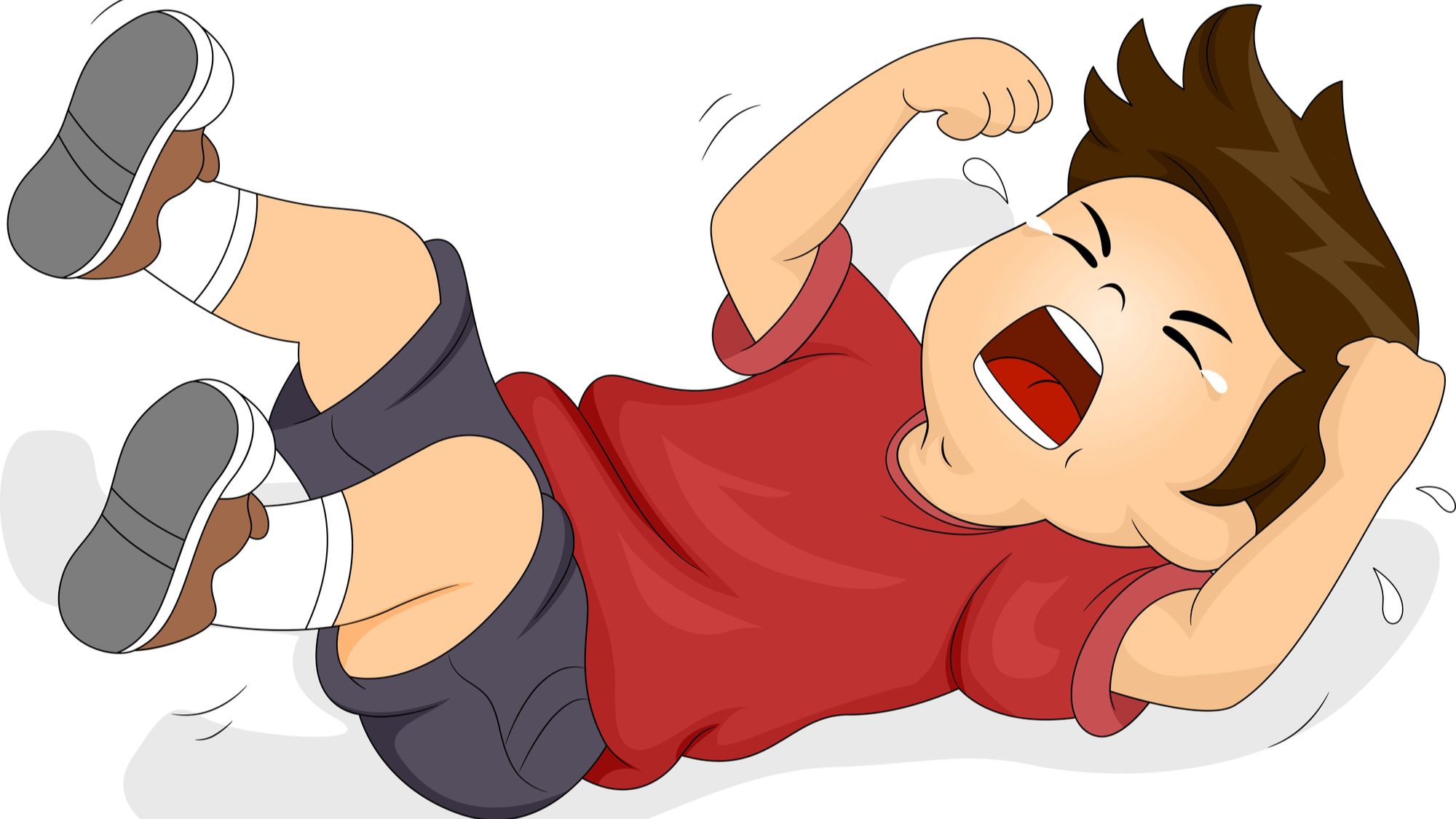
There's a kid at Target absolutely losing it. Full meltdown. They want a toy, a piece of candy, some form of dopamine hit, and when the parent says no, the little turd erupts into a torrent of crying, wailing like a banshee, kicking, screaming, and becoming a menace to everyone within a thirty-foot radius. And in a moment of pure exhausted embarrassment, the parent just gives in.
When my son was about two or three, he had o...
Why You Can't Sleep at Night But Can't Wake Up in the Morning (The Cortisol Problem)
Educational Content Disclaimer: This article provides educational information only and is not intended as medical advice, diagnosis, or treatment. The content discusses general health topics and should not replace consultation with your licensed healthcare provider. Always consult with your doctor before making changes to your diet, supplements, or medications. Dr. JJ Gregor is a Doctor of Chiropractic licensed in Texas and practices within the scope of chiropractic care.
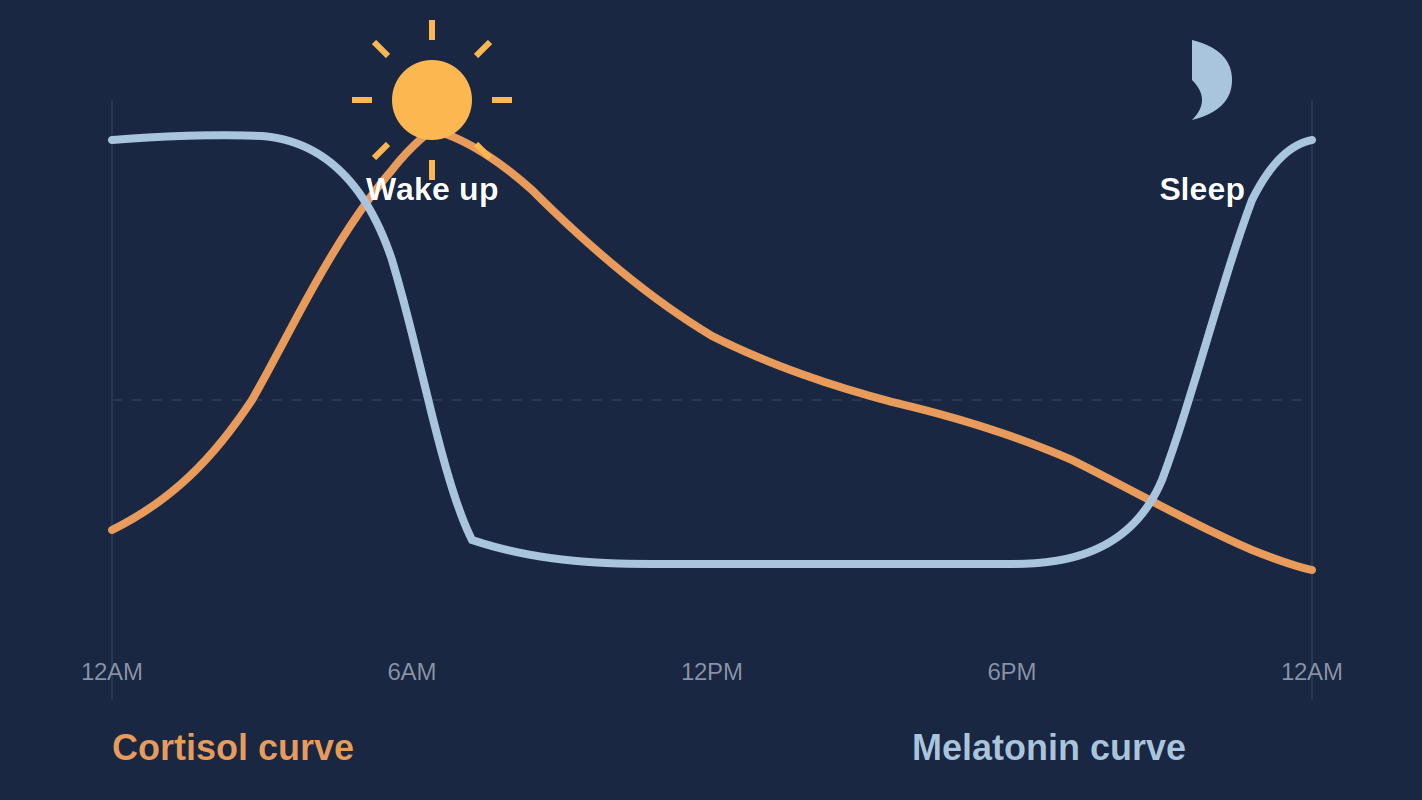
You can't fall asleep at night. Your mind won't shut off. You're exhausted but wired. When you finally do sleep, you wake up at 2 or 3 AM and can't get back to sleep.
Then morning comes. The alarm goes off. You feel like you've been hit by a truck. You can't get out of bed. Coffee doesn't help. You're a zombie until 10 or 11 AM.
This sounds like two separate problems. It's not.
It's one problem: your cortisol rhythm is broken.
What Cortisol Is Supposed To Do
Cortisol is your primary stress hormone, produced...