
Cortisol Resistance: Why You're Exhausted But Can't Relax

Educational Content Disclaimer: This article provides educational information only and is not intended as medical advice, diagnosis, or treatment. The content discusses general health topics and should not replace consultation with your licensed healthcare provider. Always consult with your doctor before making changes to your diet, supplements, or medications. Dr. JJ Gregor is a Doctor of Chiropractic licensed in Texas and practices within the scope of chiropractic care.
You're exhausted. Bone-deep, can't-get-out-of-bed exhausted. But you can't relax. Your mind races. Your heart pounds. You feel wired and anxious despite being completely depleted.
This doesn't make sense. How can you be exhausted AND wired at the same time?
The answer is cortisol resistance.
It's the same mechanism as insulin resistance, but instead of your cells ignoring insulin, they're ignoring cortisol. Your body keeps producing cortisol (or trying to), but your cells have stopped responding to it.
This i...
How to Get Present When the Toddler Is Mid-Tantrum

Educational Content Disclaimer: This article provides educational information only and is not intended as medical advice, diagnosis, or treatment. The content discusses general health topics and should not replace consultation with your licensed healthcare provider. Always consult with your doctor before making changes to your diet, supplements, or medications. Dr. JJ Gregor is a Doctor of Chiropractic licensed in Texas and practices within the scope of chiropractic care.
The first two posts in this series were about that angry little toddler in your head. The default mode network. The voice inside your head that is not really you.
That's the hard part to actually accept. Because at least for me, that internal dialogue always felt like who I was. It's the voice I hear when I read. The voice I hear when I think. I spent decades assuming that voice was me. It isn't. There's something underneath it: that breath, that moment of awareness that is more than just words and internal comm...
The 3 Stages of Adrenal Dysfunction (And Which One You're In)

Educational Content Disclaimer: This article provides educational information only and is not intended as medical advice, diagnosis, or treatment. The content discusses general health topics and should not replace consultation with your licensed healthcare provider. Always consult with your doctor before making changes to your diet, supplements, or medications. Dr. JJ Gregor is a Doctor of Chiropractic licensed in Texas and practices within the scope of chiropractic care.
Your adrenals don't just suddenly fail. They break down in stages.
Most people don't realize they have a problem until they're in Stage 3, completely crashed, unable to function. By then it takes months or years to recover.
If you catch it in Stage 1 or 2, you can reverse it in weeks.
Here's how to know which stage you're in, and more importantly, what to do about it.
What Adrenal Dysfunction Actually Is
Your adrenal glands sit on top of your kidneys. They produce cortisol, your primary stress hormone. Corti...
What Getting Present Actually Does to Your Body

Educational Content Disclaimer: This article provides educational information only and is not intended as medical advice, diagnosis, or treatment. The content discusses general health topics and should not replace consultation with your licensed healthcare provider. Always consult with your doctor before making changes to your diet, supplements, or medications. Dr. JJ Gregor is a Doctor of Chiropractic licensed in Texas and practices within the scope of chiropractic care.
So what the hell does it really mean for your health when the angry dictator of your thoughts (the guy with the German accent and the shitty little mustache, you know the one), that petulant little toddler of a hypercritical internal dialogue, rears his ugly little attitude?
One post wasn't enough. Learning why something works helps you figure out how to unplug it and unwind it.
In the last post we talked about the default mode network: the internal dialogue running old programming, generating anxiety about thi...
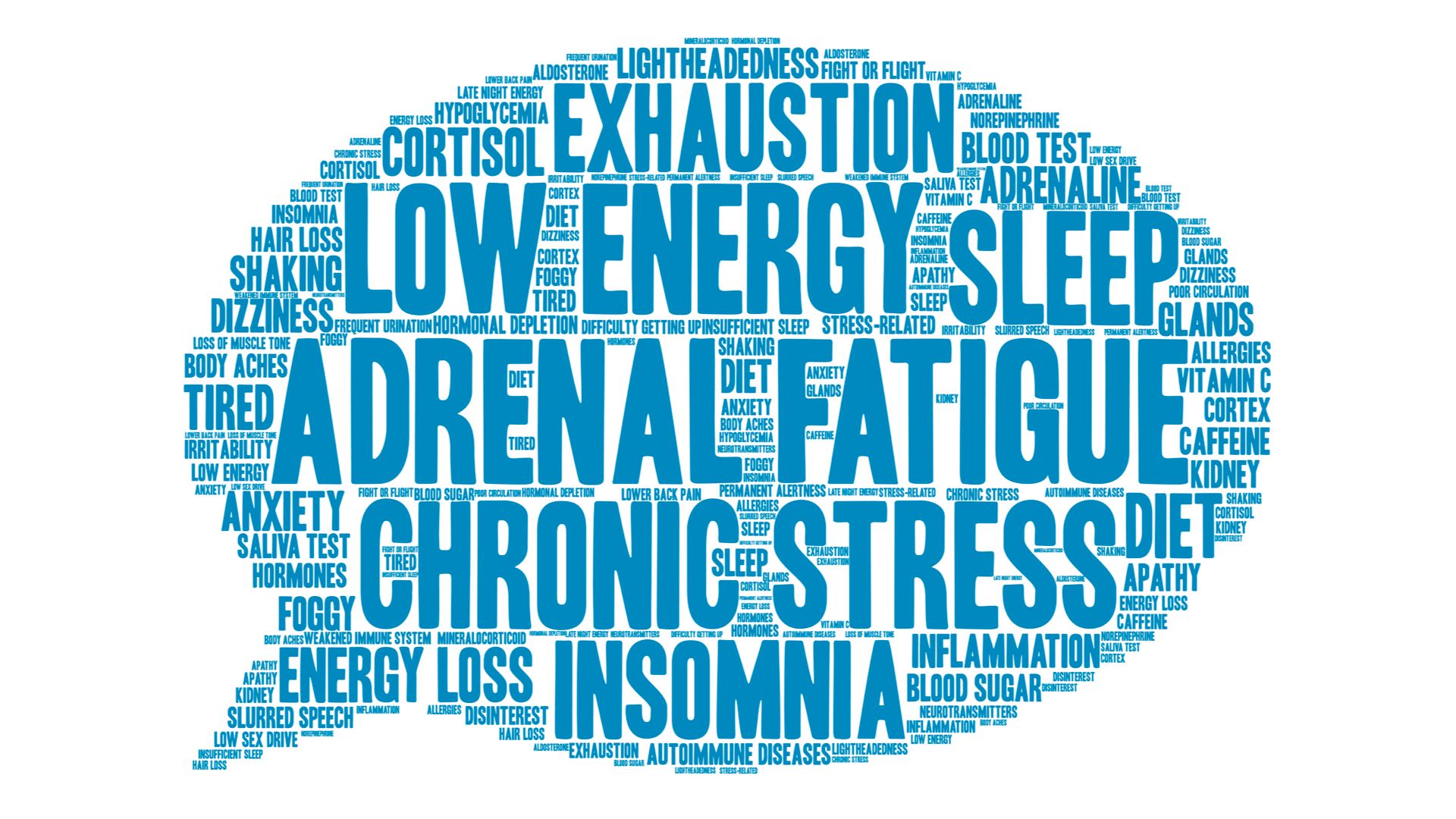
The Adrenal-Thyroid Connection
Educational Content Disclaimer: This article provides educational information only and is not intended as medical advice, diagnosis, or treatment. The content discusses general health topics and should not replace consultation with your licensed healthcare provider. Always consult with your doctor before making changes to your diet, supplements, or medications. Dr. JJ Gregor is a Doctor of Chiropractic licensed in Texas and practices within the scope of chiropractic care.
You're on thyroid medication. Your labs look better. But you still feel terrible.
Exhausted. Can't lose weight. Brain fog. Cold all the time.
Your doctor says your thyroid is fine now. Must be something else.
Here's what they're missing: your thyroid and adrenal glands work together. When one fails, the other compensates until it can't anymore.
Fix your thyroid without fixing your adrenals? You won't feel better.
Fix your adrenals without supporting your thyroid? Same problem.
Here's how these two glands in...
Ready to Destress From the Holiday Season? Learn To Meditate

Educational Content Disclaimer: This article provides educational information only and is not intended as medical advice, diagnosis, or treatment. The content discusses general health topics and should not replace consultation with your licensed healthcare provider. Always consult with your doctor before making changes to your diet, supplements, or medications. Dr. JJ Gregor is a Doctor of Chiropractic licensed in Texas and practices within the scope of chiropractic care.
Happy Thanksgiving Week!
I've been talking about ways to keep yourself healthy during the holidays. And let's be honest—sometimes it's our family members causing most of the stress.
But here's what I want you to understand: meditation isn't just about feeling zen or being spiritual. It's a physiological intervention that directly affects your stress response system.
When you meditate consistently—even just 20 minutes per day—you're not just relaxing. You're reprogramming your HPA axis and restoring adrenal fun...
The Science Behind the Adrenal Gland
The Science Behind the Adrenal Gland
Your adrenal glands are walnut-sized organs that sit on top of your kidneys. They're small, but they control nearly every aspect of your stress response, energy production, immune function, and metabolic health.
When your adrenals function properly, you handle stress efficiently. When they're exhausted, everything breaks down—fatigue, inflammation, hormone imbalances, blood sugar crashes, immune dysfunction.
Understanding how your adrenal glands work helps you recognize when they're failing and what to do about it.
Here's the science behind adrenal function, the three major stress hormones, and why chronic stress wrecks your health.
The Three Major Adrenal Hormones
Your adrenal glands produce dozens of hormones, but three dominate your stress response:
1. Epinephrine (Adrenaline)
Epinephrine is your immediate "fight or flight" hormone.
Example: You're driving. The car in front of you slams on its brakes. You swerve into the next lane, barel...