Foods That Support Thyroid Function
Educational Content Disclaimer: This article provides educational information only and is not intended as medical advice, diagnosis, or treatment. The content discusses general health topics and should not replace consultation with your licensed healthcare provider. Always consult with your doctor before making changes to your diet, supplements, or medications. Dr. JJ Gregor is a Doctor of Chiropractic licensed in Texas and practices within the scope of chiropractic care.
Your thyroid needs specific nutrients to produce hormone, convert T4 to T3, and respond to thyroid hormone in your cells.
Miss these nutrients, and thyroid function suffers-ven if your thyroid gland itself is healthy.
Here's what your thyroid actually needs, where to get it, and what foods actively damage thyroid function.
Critical Nutrients For Thyroid Function
Iodine: The Building Block
Thyroid hormone is made from iodine and tyrosine (an amino acid).
T4 = 4 iodine molecules + tyrosine
T3 = 3 iodine molecules + tyrosine
No iodine = no thyroid hormone.
Best sources:
- Seaweed (kelp, nori, wakame) - highest source
- Wild-caught fish and seafood
- Eggs (from pastured chickens)
- Iodized sea salt (moderate amounts)
How much?
150 mcg daily for adults. Up to 1,100 mcg is safe, but more isn't better.
The iodine paradox:
Too little iodine causes hypothyroidism. But too much iodine can trigger or worsen Hashimoto's (autoimmune thyroid disease).
If you have Hashimoto's, avoid high-dose iodine supplements and excessive seaweed consumption. Get iodine from food sources in moderate amounts.
Selenium: The Conversion Catalyst
Selenium is required for the enzyme that converts T4 (inactive) to T3 (active).
Without adequate selenium:
- T4-3 conversion slows
- You become functionally hypothyroid despite adequate T4
- Reverse T3 increases, blocking receptors
Selenium also protects your thyroid from oxidative damage during hormone production.
Best sources:
- Brazil nuts (1-2 nuts daily provides 150-300 mcg)
- Wild-caught fish (tuna, halibut, sardines)
- Grass-fed beef and organ meats
- Pastured eggs
How much?
200 mcg daily. More than 400 mcg can be toxic.
Studies show selenium supplementation (200 mcg daily) reduces TPO antibodies by 40-50% in Hashimoto's patients.
Zinc: Supports Conversion and Receptor Function
Zinc is required for:
- T4-3 conversion
- TSH production in the pituitary
- Thyroid hormone receptor sensitivity
Zinc deficiency creates functional hypothyroidism even with adequate thyroid hormone levels.
Best sources:
- Oysters (highest source)
- Grass-fed beef and lamb
- Pumpkin seeds
- Pastured eggs
How much?
15-30 mg daily from food or supplements.
Iron: Required For Thyroid Hormone Production
Iron deficiency blocks thyroid peroxidase (TPO)-he enzyme that makes thyroid hormone.
Low iron = low thyroid hormone production, even with adequate iodine.
Iron deficiency also impairs T4-3 conversion.
Best sources:
- Grass-fed red meat (heme iron-ost absorbable)
- Organ meats (liver, heart)
- Dark leafy greens (non-heme iron-ess absorbable)
How much?
8-18 mg daily depending on age and gender.
Iron supplementation should be guided by labs (ferritin, serum iron). Too much iron is dangerous.
Tyrosine: The Other Building Block
Tyrosine is an amino acid that combines with iodine to form thyroid hormone.
You get tyrosine from protein.
This is why adequate protein intake is critical for thyroid function.
Best sources:
- All animal proteins (meat, fish, poultry, eggs)
- Pastured dairy (if tolerated)
Eat 3-7 ounces of protein 3-5 times daily.
Vitamin D: Immune Regulation
Vitamin D regulates immune function. Low vitamin D increases risk of autoimmune disease, including Hashimoto's.
Most people are deficient (below 30 ng/mL). Optimal is 50-80 ng/mL.
Best sources:
- Sun exposure (15-30 minutes midday without sunscreen)
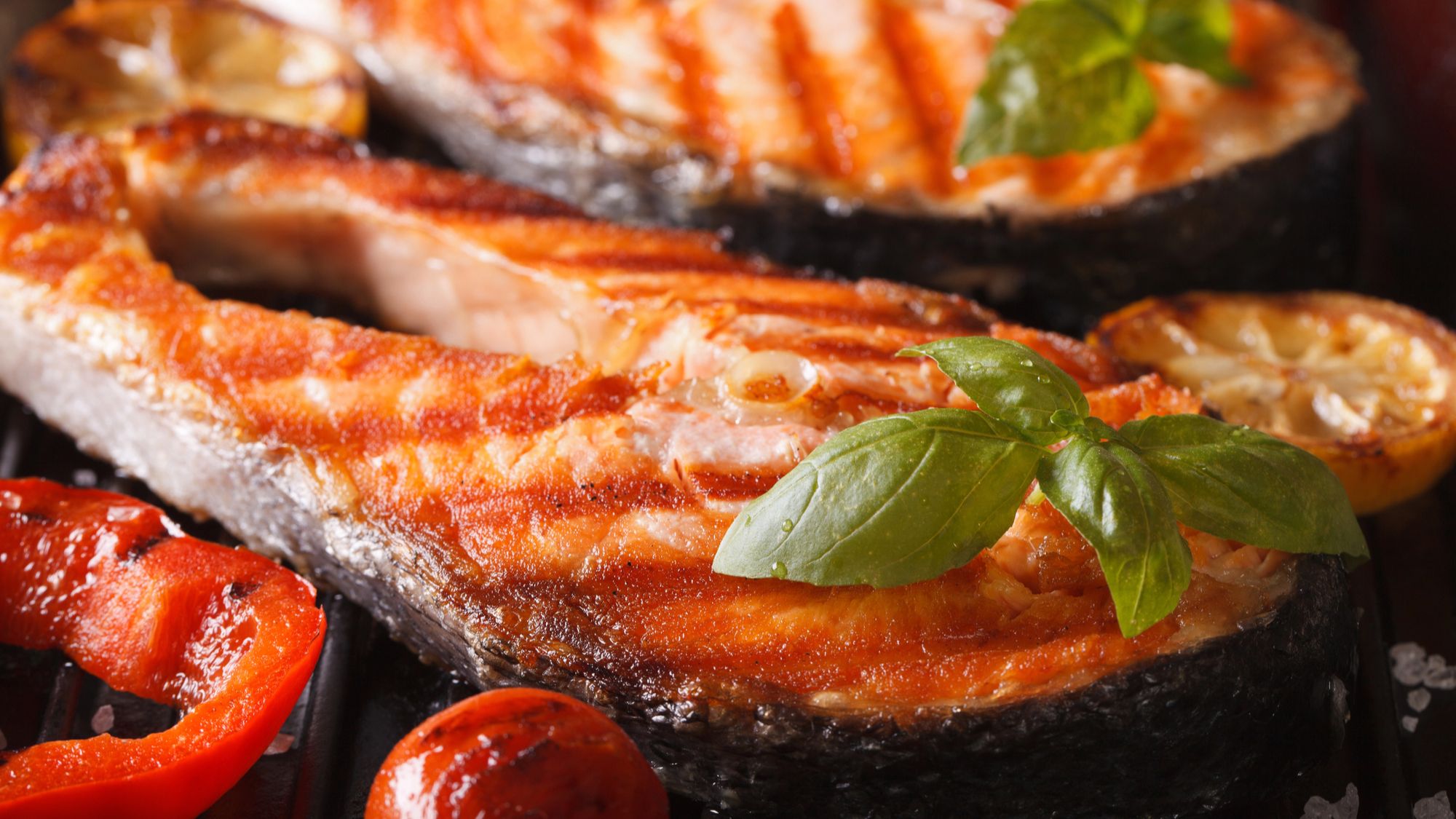
- Wild-caught fatty fish (salmon, mackerel, sardines)
- Pastured egg yolks
- Supplementation (2,000-5,000 IU daily, guided by labs)
Omega-3 Fatty Acids: Reduce Inflammation
Inflammation drives autoimmune thyroid disease and blocks T4-3 conversion.
Omega-3s (EPA and DHA) reduce inflammation and support immune balance.
Best sources:
- Wild-caught fatty fish (salmon, sardines, mackerel, herring)
- Grass-fed beef and lamb
- Pastured eggs
- Algae-based omega-3 supplements (if vegetarian)
Aim for 2-3 grams daily of combined EPA/DHA.
Foods That Damage Thyroid Function
Gluten: Triggers Autoimmunity
Gluten (found in wheat, barley, rye) triggers Hashimoto's through molecular mimicry.
Gliadin (the protein in gluten) structurally resembles thyroid tissue. When your immune system makes antibodies against gluten, those antibodies attack your thyroid.
Remove gluten completely if you have Hashimoto's or any thyroid dysfunction.
For more on why gluten destroys thyroid function, see: Why Gluten Destroys Your Thyroid.
Soy: Blocks Thyroid Function
Soy contains goitrogens-ompounds that interfere with thyroid hormone production.
Isoflavones in soy block TPO (the enzyme that makes thyroid hormone) and interfere with iodine absorption.
Avoid: soy milk, tofu, tempeh, soy protein isolates, edamame.
Industrial Seed Oils: Drive Inflammation
Canola oil, soybean oil, corn oil, cottonseed oil, and vegetable oil are high in omega-6 fatty acids.
Excess omega-6 drives inflammation, worsens autoimmune disease, and blocks T4-3 conversion.
Replace with: olive oil, coconut oil, avocado oil, grass-fed butter, animal fats.
Sugar and Refined Carbs: Blood Sugar Chaos
Repeated blood sugar spikes and crashes elevate cortisol.
Elevated cortisol blocks T4-3 conversion, increases reverse T3, and suppresses thyroid function.
Remove: sugar, bread, pasta, rice, corn, potatoes, processed foods.
Processed Foods: Inflammation and Toxins
Processed foods contain:
- Inflammatory seed oils
- Refined carbohydrates
- Chemical additives and preservatives
- Endocrine disruptors (BPA, phthalates)
All of these worsen thyroid function and drive autoimmune disease.
Eat real food. Avoid anything in a package with more than 5 ingredients.
Goitrogens: Context Matters
Goitrogens are compounds in certain foods that can interfere with iodine uptake or thyroid hormone production.
Goitrogenic foods:
- Cruciferous vegetables (broccoli, cauliflower, Brussels sprouts, kale, cabbage)
- Soy products
- Millet
- Cassava (tapioca)
The reality:
Cruciferous vegetables are incredibly nutritious and anti-inflammatory. The goitrogenic effect is minimal when:
- You're getting adequate iodine
- You're cooking them (heat deactivates goitrogens)
- You don't have severe iodine deficiency
Don't avoid cruciferous vegetables unless you have severe hypothyroidism and iodine deficiency.
Soy, however, should be avoided entirely due to its stronger goitrogenic effects and inflammatory properties.
The Thyroid-Supporting Diet
Eat:
- Quality protein at every meal (3-7 ounces): grass-fed meat, wild fish, pastured eggs, poultry
- Non-starchy vegetables (unlimited): leafy greens, broccoli, cauliflower, peppers, zucchini
- Healthy fats: olive oil, coconut oil, avocado, grass-fed butter, nuts, seeds
- Nutrient-dense foods: organ meats, bone broth, fermented vegetables
- Seaweed 1-2 times weekly (for iodine)
- Brazil nuts daily (for selenium)
Avoid:
- All gluten (wheat, barley, rye)
- Soy products
- Industrial seed oils (canola, soybean, corn, vegetable oil)
- Sugar and refined carbohydrates
- Processed foods
Moderate:
- Goitrogenic vegetables (cruciferous) - cook them, don't avoid them
- Fruit (1-2 servings daily, focus on berries)
For comprehensive nutrition strategies that support thyroid and metabolic health, visit the Fuel Your Body pillar page.
The Bottom Line
Your thyroid needs specific nutrients to function properly: iodine, selenium, zinc, iron, tyrosine, vitamin D, and omega-3s.
Get them from real food, not supplements (except vitamin D and selenium, which are hard to get in adequate amounts from food alone).
Remove foods that damage thyroid function: gluten, soy, industrial seed oils, sugar, processed foods.
Stabilize blood sugar to prevent cortisol-mediated thyroid suppression.
Support your thyroid through diet, and thyroid function improves-ften dramatically-ithout needing higher doses of medication.
Your thyroid is only as healthy as the nutrients you provide it.
Ready to optimize your health and performance? Dr. JJ Gregor uses Applied Kinesiology and functional health approaches to help patients achieve their wellness goals at his Frisco, Texas practice. Schedule a consultation to discover how nutrition, stress management, and lifestyle optimization can support your overall health.
If you're dealing with thyroid symptoms that haven't been explained by standard testing, our Frisco, Texas practice uses Applied Kinesiology and functional assessment to find the patterns conventional labs miss. Book your appointment here.
Call or text: (972) 989-4683
Email: [email protected]
Stay connected with news and updates!
Join our mailing list to receive the latest news and updates from our team.
Don't worry, your information will not be shared.