
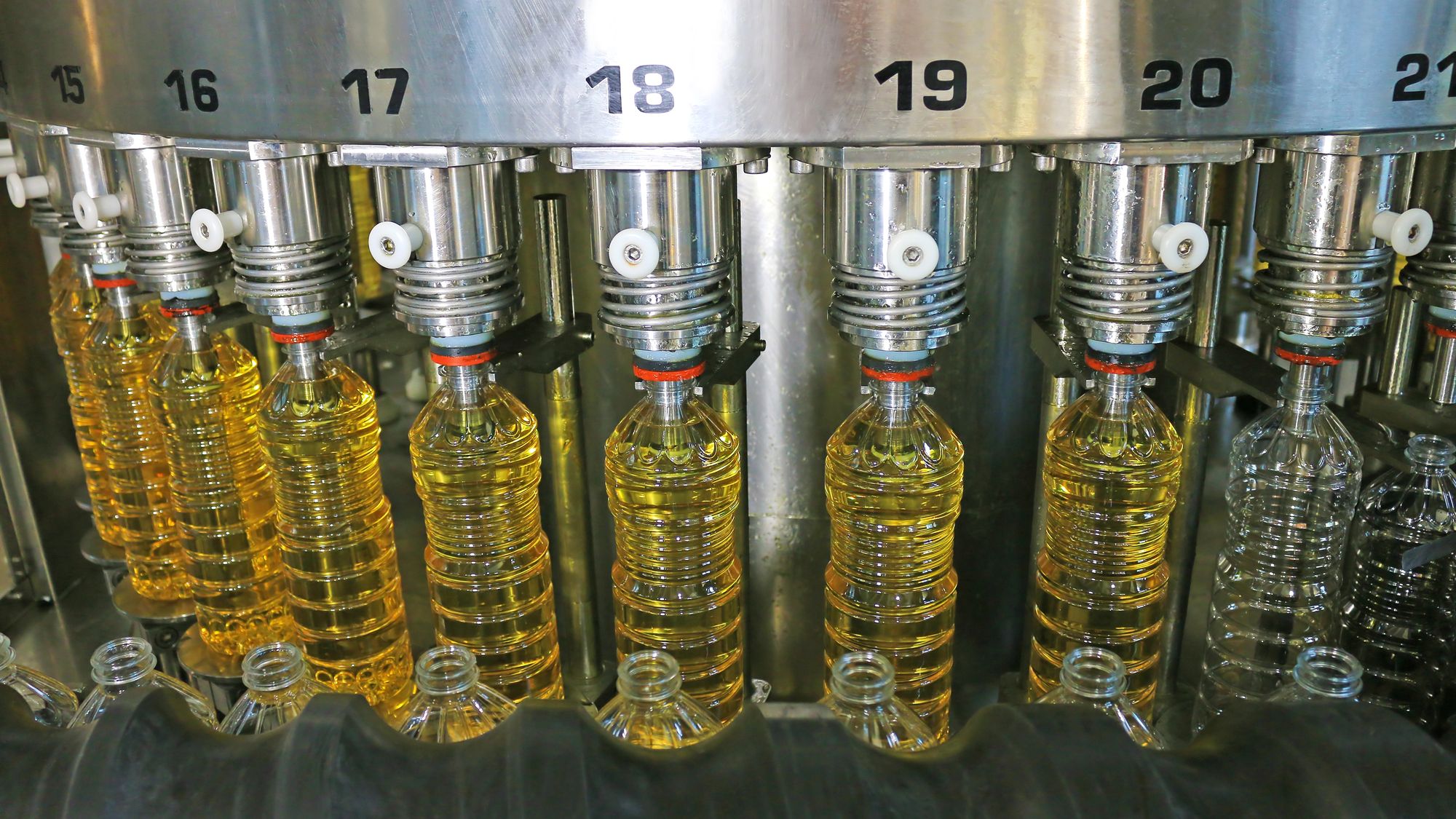
Why Vegetable Oils Destroy Your Heart (The Oxidation Problem)
Educational Content Disclaimer: This article provides educational information only and is not intended as medical advice, diagnosis, or treatment. The content discusses general health topics and should not replace consultation with your licensed healthcare provider. Always consult with your doctor before making changes to your diet, supplements, or medications. Dr. JJ Gregor is a Doctor of Chiropractic licensed in Texas and practices within the scope of chiropractic care.
Your doctor tells you to avoid butter and use "heart-healthy" vegetable oil instead.
Your doctor is wrong.
Vegetable oils are the #1 dietary cause of heart disease in America. Not cholesterol. Not saturated fat. Industrial seed oils.
Here's why.
What Are "Vegetable Oils"?
First, let's be clear about what we're talking about. These aren't oils from vegetables.
Industrial seed oils:
- Canola oil (rapeseed)
- Soybean oil
- Corn oil
- Vegetable oil (usually soybean)
- Sunflower oil
- Safflower oil
- Cottonseed oil ...
Carnivore Cleanse for Heart Health
Educational Content Disclaimer: This article provides educational information only and is not intended as medical advice, diagnosis, or treatment. The content discusses general health topics and should not replace consultation with your licensed healthcare provider. Always consult with your doctor before making changes to your diet, supplements, or medications. Dr. JJ Gregor is a Doctor of Chiropractic licensed in Texas and practices within the scope of chiropractic care.
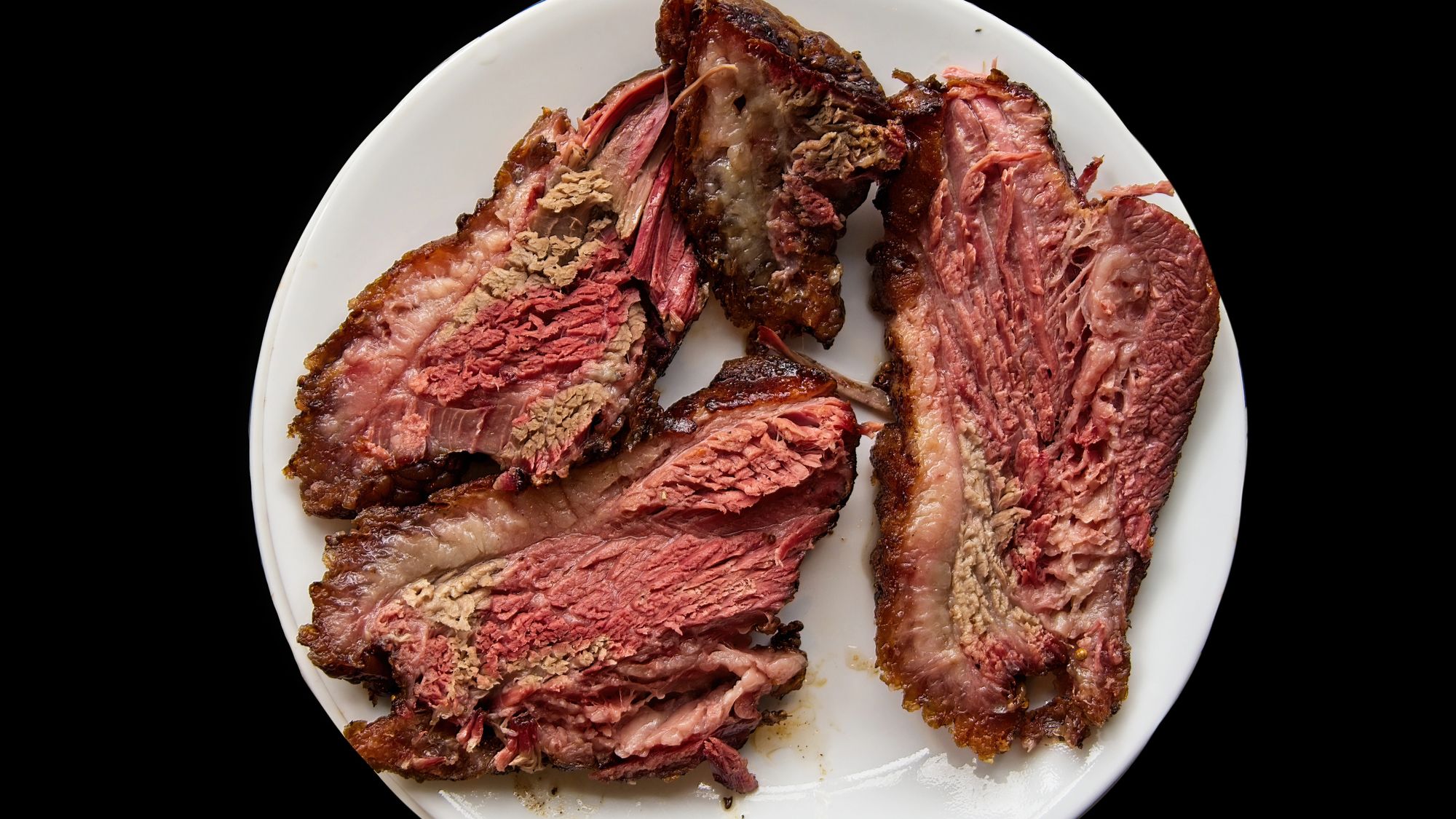
I ran an experiment on myself. Thirty days eating nothing but meat, fish, eggs, and animal fats.
My total cholesterol dropped from 230 to 198. My triglycerides dropped 40%. My HDL went up. My inflammation markers improved.
Most importantly: I felt incredible. Energy was stable all day. Brain fog gone. Joint pain gone. Digestive issues resolved.
This wasn't a permanent diet. It was a cleanse. A metabolic reset. An elimination diet taken to its logical conclusion.
Here's why a carnivore cleanse works for heart ...
Cholesterol: The Myth That Won't Die

Educational Content Disclaimer: This article provides educational information only and is not intended as medical advice, diagnosis, or treatment. The content discusses general health topics and should not replace consultation with your licensed healthcare provider. Always consult with your doctor before making changes to your diet, supplements, or medications. Dr. JJ Gregor is a Doctor of Chiropractic licensed in Texas and practices within the scope of chiropractic care.
Your doctor tells you your cholesterol is high. You need to start a statin immediately or you'll have a heart attack.
You're scared. You comply. You take the medication.
Your cholesterol drops. You feel terrible. Brain fog, muscle pain, fatigue.
But hey, at least your cholesterol is lower, right?
Here's what your doctor didn't tell you: the entire cholesterol-heart disease hypothesis is one of the biggest medical frauds of the last 70 years.
Cholesterol doesn't cause heart disease. It never did.
And the e...
Why Does My Child's Asthma Seem Worse This Time of Year?

Educational Content Disclaimer: This article provides educational information only and is not intended as medical advice, diagnosis, or treatment. The content discusses general health topics and should not replace consultation with your licensed healthcare provider. Always consult with your doctor before making changes to your diet, supplements, or medications. Dr. JJ Gregor is a Doctor of Chiropractic licensed in Texas and practices within the scope of chiropractic care.
Every year, the same pattern: cold weather hits, the holidays arrive, and asthma attacks spike.
You've noticed it. Your child's inhaler gets used more frequently between November and January than the rest of the year combined.
This isn't coincidence. Specific seasonal factors converge during the holidays to create the perfect storm for respiratory inflammation.
Here's what's actually triggering winter asthma attacks, and what you can do to prevent them.
The Holiday Asthma Spike
Approximately 300 million pe...
What is Adrenal Fatigue?

What is Adrenal Fatigue?
Adrenal fatigue is one of those terms that natural health practitioners have discussed for decades, but conventional medicine is only recently beginning to acknowledge.
You won't find "adrenal fatigue" in medical textbooks. It's not recognized as a disease. But the symptoms are real, the mechanism is understood, and millions of people are suffering from it right now.
Adrenal fatigue describes a state where your adrenal glands can't keep up with the demands placed on them. They're not pathologically diseased (Addison's disease). They're just exhausted—hypofunction rather than complete failure.
This matters because your adrenal glands regulate stress response, inflammation, blood sugar, immune function, energy production, and more. When they're depleted, everything breaks down.
Here's what adrenal fatigue actually is, how to recognize it, and what to do about it.
Understanding Your Adrenal Glands
Your adrenal glands sit on top of your kidneys. They're smal...
What Everyone, (Even Men), Should Know About Women's Health: PCOS

Educational Content Disclaimer: This article provides educational information only and is not intended as medical advice, diagnosis, or treatment. The content discusses general health topics and should not replace consultation with your licensed healthcare provider. Always consult with your doctor before making changes to your diet, supplements, or medications. Dr. JJ Gregor is a Doctor of Chiropractic licensed in Texas and practices within the scope of chiropractic care.
PCOS: What It Is and Why It Matters
Polycystic Ovary Syndrome affects 5-15% of women of reproductive age. Approximately 6 million diagnosed annually in the US. Despite how common it is, most women receive inadequate explanations about what's actually driving their symptoms.
Common manifestations include irregular or absent menstrual cycles, subfertility or infertility, male-pattern hair growth (hirsutism: not just facial hair, but thick growth on arms, chest, abdomen), difficulty losing weight despite caloric r...
Heart Attack Symptoms
Educational Content Disclaimer: This article provides educational information only and is not intended as medical advice, diagnosis, or treatment. The content discusses general health topics and should not replace consultation with your licensed healthcare provider. Always consult with your doctor before making changes to your diet, supplements, or medications. Dr. JJ Gregor is a Doctor of Chiropractic licensed in Texas and practices within the scope of chiropractic care.
Your doctor tells you to lower your cholesterol or you'll have a heart attack.
You take the statin. Your cholesterol drops. You feel terrible.
Then you have a heart attack anyway.
Why? Because cholesterol doesn't cause heart attacks. Half of all heart attack victims have normal or low cholesterol.
Here's what you actually need to know: how to recognize a heart attack when it's happening, what really causes them, and how to prevent them without medication.