
Friday Feast - Greek Herb Crusted Cod and Mint Roasted Beets
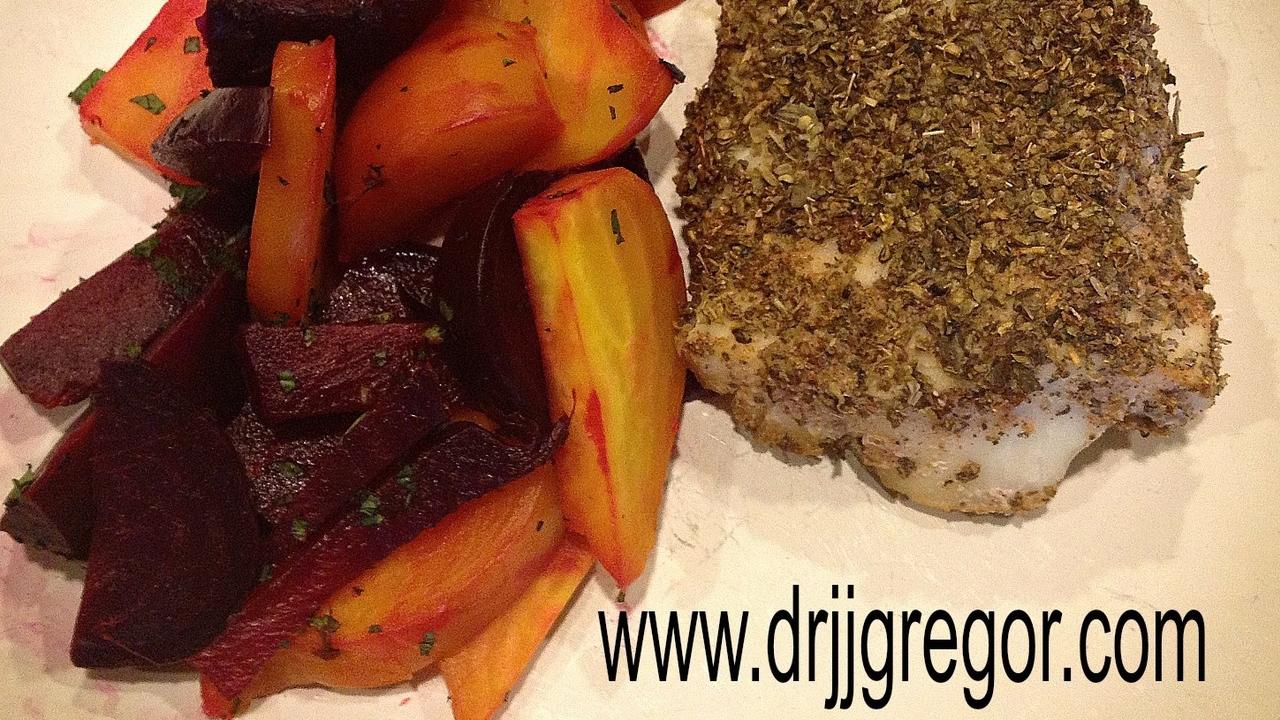
Friday Feast - Paleo Meals- Greek Herb Crusted Cod and Mint Roasted Beets
By J. J. Gregor This was SOOOO fast easy and great! Next time I do it though I will skip the mint on the beets.
1/2 T. oregano
1/2 T. garlic powder
1/2 T. thyme
1/2 T. parsley
1/4 tsp. paprika
1/4 tsp. onion powder
1/4 tsp. marjoram
1/4 tsp. cinnamon
1/2 T. fresh mint chopped
4 8 oz. cod filets
3 medium sized beets (we used red and gold)
1 pat of unsalted butter Preheat oven to 425 degrees. Wrap the beets in aluminum foil with the pat of butter and roast for 1 hour. Remove and let cool, then peel with a paper towel. While the beets are cooling, combine all the spices in a bowl. Wash and pat dry the cod. Coat the cod with the spice blend. Put cod in roasting pan bake 15-20 minutes until the cod flakes easily with a fork.
What It Really Means To Be Gluten Free
Educational Content Disclaimer: This article provides educational information only and is not intended as medical advice, diagnosis, or treatment. The content discusses general health topics and should not replace consultation with your licensed healthcare provider. Always consult with your doctor before making changes to your diet, supplements, or medications. Dr. JJ Gregor is a Doctor of Chiropractic licensed in Texas and practices within the scope of chiropractic care.
I was reading a post in a Crohn's disease forum and I couldn't believe it when I saw someone get excited because they discovered Cocoa Puffs cereal was gluten-free. I wanted to scream.
There's been a lot of noise in the media about the benefits of a gluten-free lifestyle, and that's caused the food industry to produce a mind-numbing array of gluten-free labeled "foods." We've talked about wheat and grain before, but let's dive a little deeper into gluten and why going gluten-free is gaining popularity.
Gluten i...
The Science Behind the Adrenal Gland
The Science Behind the Adrenal Gland
Your adrenal glands are walnut-sized organs that sit on top of your kidneys. They're small, but they control nearly every aspect of your stress response, energy production, immune function, and metabolic health.
When your adrenals function properly, you handle stress efficiently. When they're exhausted, everything breaks down—fatigue, inflammation, hormone imbalances, blood sugar crashes, immune dysfunction.
Understanding how your adrenal glands work helps you recognize when they're failing and what to do about it.
Here's the science behind adrenal function, the three major stress hormones, and why chronic stress wrecks your health.
The Three Major Adrenal Hormones
Your adrenal glands produce dozens of hormones, but three dominate your stress response:
1. Epinephrine (Adrenaline)
Epinephrine is your immediate "fight or flight" hormone.
Example: You're driving. The car in front of you slams on its brakes. You swerve into the next lane, barel...
You Might Be More Stressed Than You Think

You Might Be More Stressed Than You Think
Do any of these sound familiar?
Low energy and chronic fatigue. Dizziness when you stand up quickly. Asthma and allergies. Sunlight sensitivity (bright lights hurt your eyes, you constantly wear sunglasses). Muscle and joint pain. Anxiety, panic attacks, and blood sugar crashes. Insomnia. Low sex drive. Digestive issues. Heart palpitations. Thyroid problems.
These symptoms seem random and unconnected.
They're not.
There's one common link: stress and adrenal dysfunction.
Here's why stress affects every system in your body, how to recognize when you've exceeded your adaptive capacity, and what to do about it.
The Problem With How Medicine Views Stress
Most conventional doctors don't recognize the gray zone between "healthy" and "diseased."
In orthodox medicine, you're either pathologically sick (Addison's disease, Cushing's syndrome) or you're fine. There's no middle ground.
But pathology doesn't appear overnight. You don't wake up one ...
Friday Feast - Paleo Recipe - Almond Crusted Halibut & Roasted Brussels Sprouts
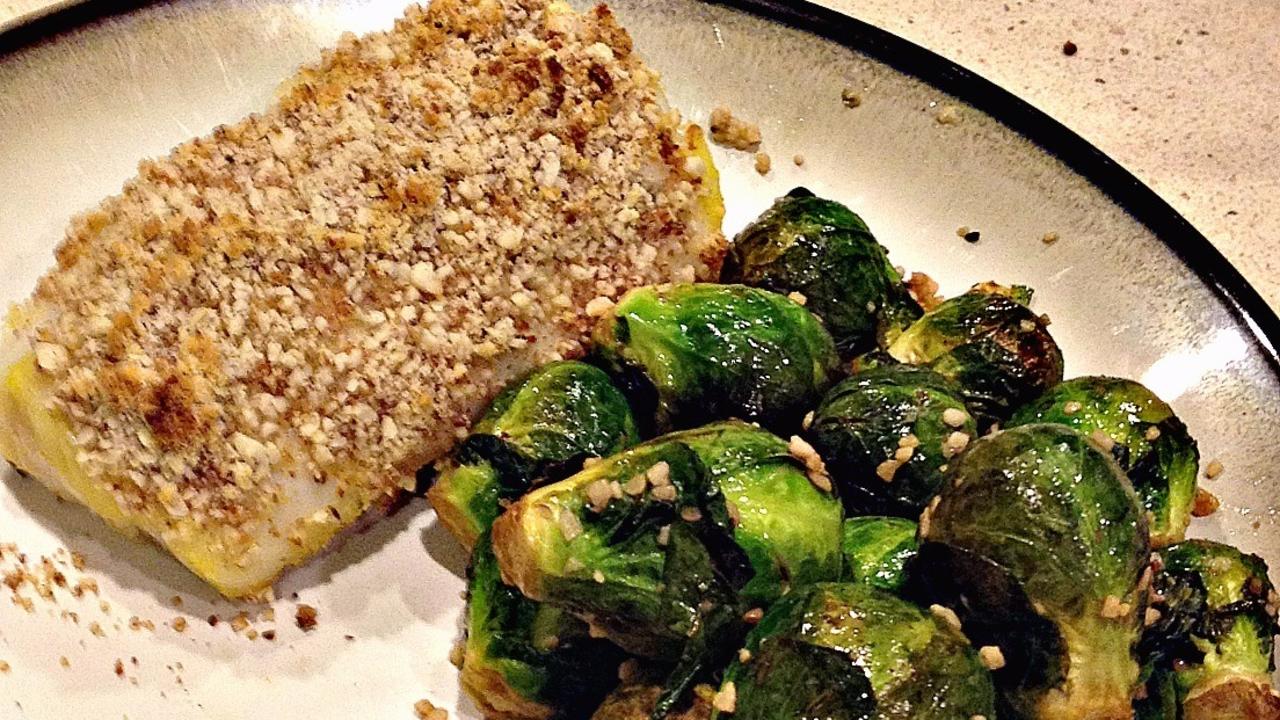
Friday Feast - Paleo Recipe - Almond Crusted Halibut & Roasted Brussels Sprouts
By J. J. Gregor
This was a simple, quick paleo recipe that was amazing!
1 ½ pound of halibut
Salt and pepper to taste
2 large eggs, lightly beaten
1 cup finely chopped almonds
2 Tablespoon olive oil 1 pound Brussels sprouts, halved
2 T olive oil
2 Tablespoon chopped fresh sage
2 teaspoons minced garlic
Salt and pepper to taste Preheat oven to 450°F. Dredge in egg wash, and then dust with chopped almonds. Transfer to a baking sheet rubbed with oil. Bake for 12-15 minutes or until cooked through. Combine sprouts, oil, sage, garlic, salt and pepper in a jellyroll pan or shallow baking dish. Bake at 450°F for 18 minutes or until browned, stirring once.
Soy - It's Not What You Think
Soy has been labeled a superfood that's been said to help menopausal symptoms, decrease the risk of heart disease, reverse osteoporosis, and fight cancer.
Unfortunately, I don't believe it is the amazing thing it's made out to be, and it's time to reconsider soy's place as a panacea of modern society. Very few of these benefits have been substantiated, and in fact is outright miss-representations of the facts.
So let’s talk about all the adverse effects of soy, which are a lot and not good for your body. "Soy foods can prevent osteoporosis." This fallacy came out of the observation that Asian cultures ate soy and have little or no incidents of osteoporosis.
This is not true; Soy foods can cause deficiencies in calcium and vitamin D, both needed for healthy bones. Calcium from bone broths and vitamin D from seafood, lard and organ meats prevent osteoporosis in Asian countries—not soy foods. "Soy can prevent some cancers" this thought is based on the fact that soy contains phytoes...
Grow Your Own Food Without a Garden

A Container Garden Can be an easy way to Fresh Cheap Organic Veggies! By Dr. J. J. Gregor
Are you trying to switch to a healthier lifestyle, but shocked at the cost of organic vegetables and herbs? Even though you may not live on an acre of land, you still can easily start growing some of your own food in a container garden. Anyone who’s ever picked a vine ripened tomato and popped it into their mouth, or had a salad made with greens and herbs harvested 30 minutes prior to eating it very much appreciates the incredible freshness and superior taste of home grown produce. And here’s a bonus: No chemicals or preservatives. Trust me when I say that I am the least grow your own garden type of guy out there, but even I've been able to get some vegetables growing. Whether you have an small apartment patio or even a back yard that you don't want to rip up to create an in-ground garden, fresh and easily grown produce can easily be done in a pot. That pot can be on the patio, the front po...
Friday Feast - Garlic Turmeric Shrimp on a bed of Arugula, Green Beans Almandine

Paleo Recipe - Garlic Turmeric Shrimp on a bed of Arugula, Green Beans Almandine
By J. J. Gregor
2 lbs. shrimp, peeled and deveined
1 T. butter
1 T. garlic, minced or pressed
2 to 3 tsp. turmeric
6 oz. baby arugula washed and dried
Sea salt and pepper to taste Melt butter in a large sauté pan over medium heat. Add pepper, garlic, and turmeric and sauté two to three minutes. Add shrimp. Sauté an additional three to four minutes, until shrimp is bright pink. Salt and pepper to taste and remove from heat. Split arugula leaves between four plates. Divide shrimp among the plates, laying on top of arugula. Serves 4 The black pepper added to the butter with the turmeric aids in bringing out the many beneficial qualities of turmeric. ------------
1 lb. green beans washed and ended trimmed
2 T. butter
1 T. garlic
1/2 cup toasted almond slices*
Sea salt and pepper to taste Melt butter in a large sauté pan on medium. Add garlic and sauté two to three minutes. Add green beans. Sauté five to seve...
All Water is Not Created Equal
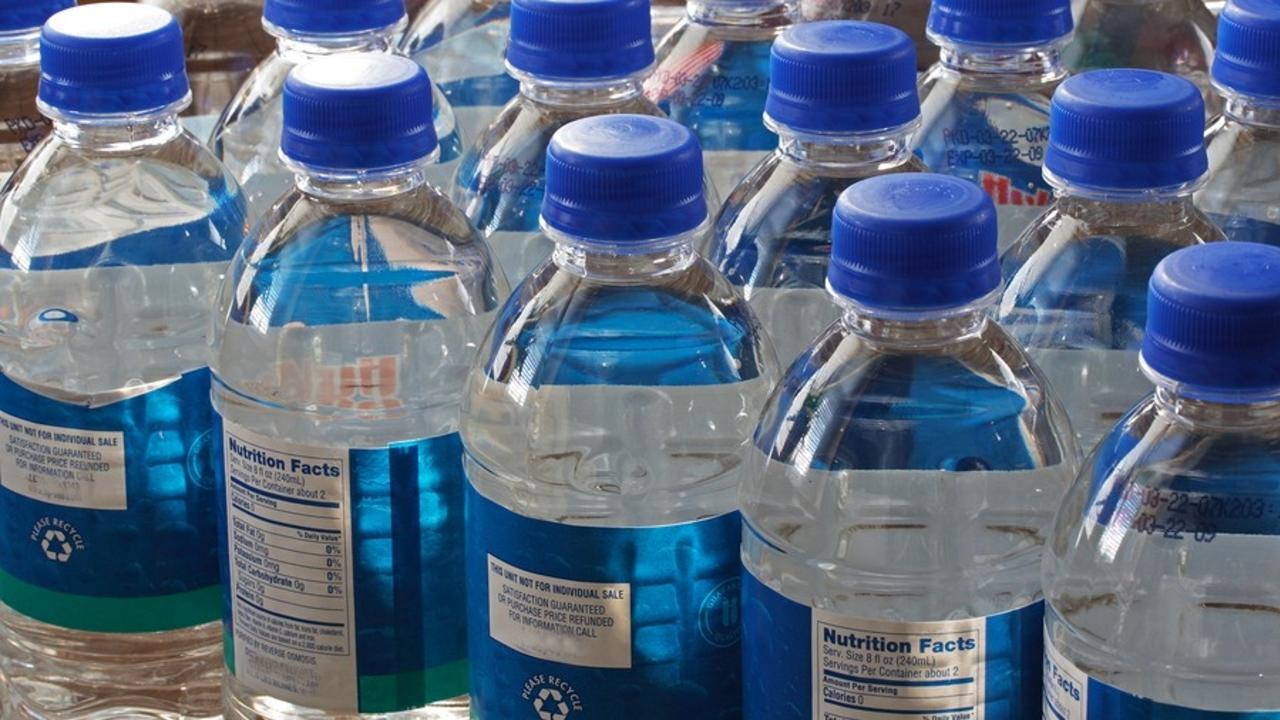
All Water Is Not Created Equal
Everyone's carrying a water bottle. But not all water hydrates the same way.
You can drink a gallon of the wrong type and still end up chronically dehydrated, running to the bathroom every hour while your cells stay thirsty.
The difference isn't just purity. It's mineral content, osmolarity, and whether your body can actually hold onto what you're drinking.
Here's how to choose water that actually works.
Why Water Type Matters for Hydration
Your body doesn't just need H₂O molecules. It needs water with the right mineral content and electrical charge to move across cell membranes and stay in your tissues.
Pure water (no minerals) has low osmolarity. It passes through your system quickly because there's nothing holding it in your cells. You drink it, you pee it out, and your intracellular hydration status doesn't change.
Water with minerals has higher osmolarity. The dissolved electrolytes (sodium, magnesium, calcium, potassium) create the osmotic g...
Water, water everywhere...
Water, Water Everywhere... But Not a Drop to Drink
Anyone who's had Montezuma's revenge in Mexico knows this truth: water quality matters.
Ancient civilizations understood this. They boiled water, distilled it, or fermented it into beer and wine to kill parasites and bacteria. Modern water treatment plants continue this tradition, but they've added chemicals that solve one problem while creating others.
Your tap water won't give you dysentery. But the treatment process introduces compounds that disrupt thyroid function, compete for essential minerals, and accumulate in your tissues over decades.
Here's what's actually in your drinking water, and what you can do about it.
What's in Your Tap Water
Most urban and suburban homes connect to municipal water systems. Treatment plants use a multi-step process to make water safe for consumption.
Step 1: Aluminum sulfate for clarification
Aluminum sulfate helps sediment settle out of water, making it clearer. The aluminum residue stays i...