
Heart-Healthy Foods Real List - What Really Feeds Your Heart
Educational Content Disclaimer: This article provides educational information only and is not intended as medical advice, diagnosis, or treatment. The content discusses general health topics and should not replace consultation with your licensed healthcare provider. Always consult with your doctor before making changes to your diet, supplements, or medications. Dr. JJ Gregor is a Doctor of Chiropractic licensed in Texas and practices within the scope of chiropractic care.
The American Heart Association tells you to eat whole grains, vegetable oils, and low-fat everything.
Meanwhile, heart disease remains the #1 killer in America.
Maybe the advice is wrong.
Here's the real list of heart-healthy foods—the ones that reduce inflammation, prevent oxidation, stabilize blood sugar, and support cardiovascular function.
Spoiler: butter made the list. Vegetable oil didn't.
What "Heart-Healthy" Actually Means
Before we get to the list, let's define terms.
Heart disease is caused by inflammation, oxidative stress, and arterial damage. Not cholesterol. Not saturated fat.
So "heart-healthy" foods are those that:
- Reduce inflammation
- Provide antioxidants to prevent LDL oxidation
- Stabilize blood sugar (preventing glycation and insulin resistance)
- Provide nutrients for arterial integrity (collagen, vitamin K2, magnesium)
- Support healthy lipid metabolism (omega-3s, CoQ10)
The mainstream definition focuses on "lowering cholesterol." That's why their recommendations fail.
Cholesterol doesn't cause heart disease. So lowering it doesn't prevent heart disease.
Let's talk about what actually works.
The Real Heart-Healthy Foods
Grass-Fed Red Meat
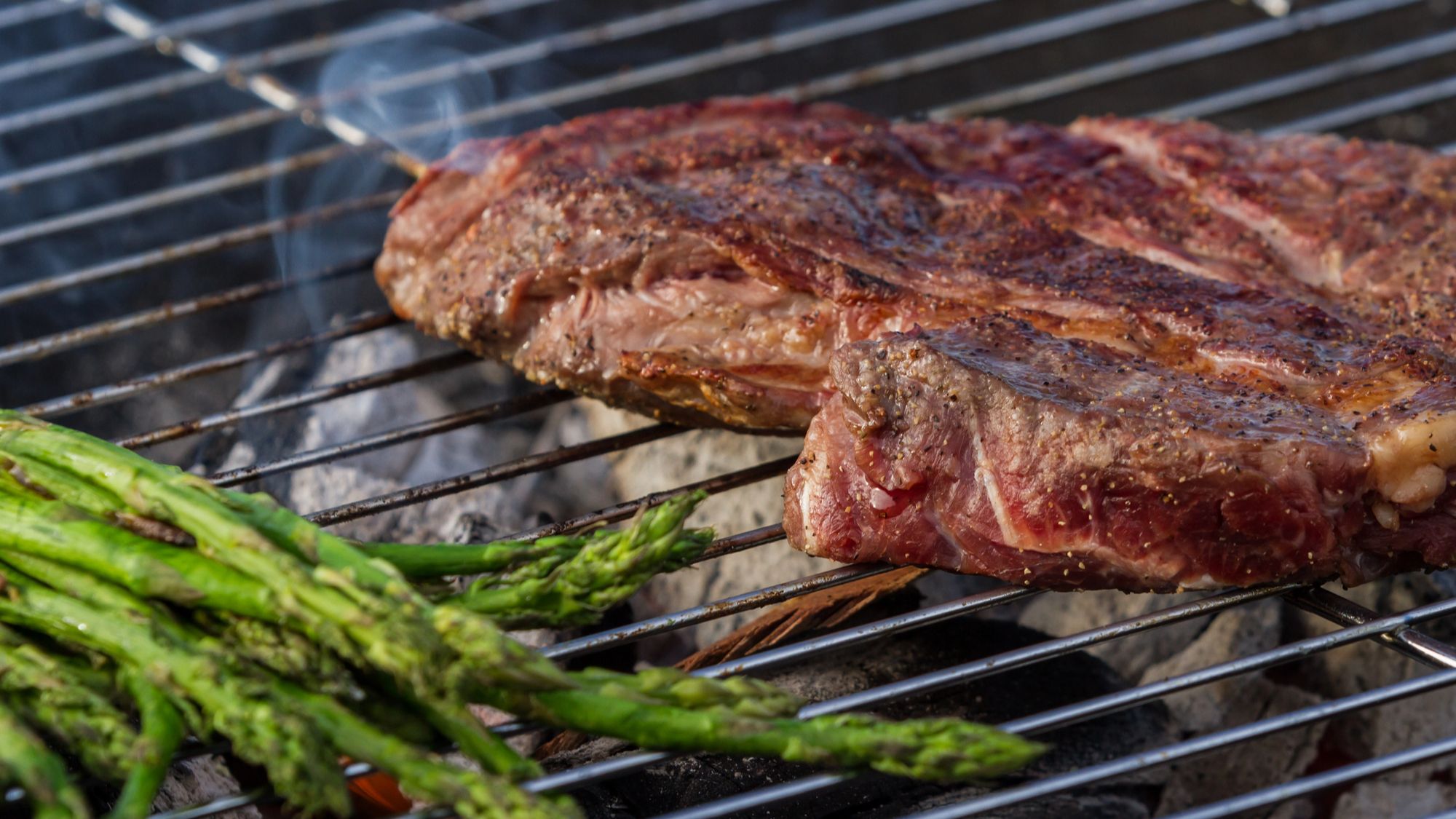
Yes, red meat. Specifically grass-fed beef, lamb, and bison.
Grass-fed ruminants provide:
- CLA (conjugated linoleic acid): Anti-inflammatory fat that improves insulin sensitivity
- Omega-3s: Better omega-6 to omega-3 ratio than grain-fed (2:1 vs 20:1)
- Vitamin K2: Directs calcium to bones, not arteries (prevents arterial calcification)
- CoQ10: Essential for heart muscle energy production
- Complete protein: Supports arterial wall integrity
- B vitamins: Lower homocysteine (arterial damage marker)
The studies linking red meat to heart disease never controlled for processed meats, seed oils, sugar, or overall diet quality. Traditional populations eating high amounts of red meat (Maasai, Inuit, Mongolian herders) had virtually no heart disease.
Grass-fed is critical. Grain-fed beef has a worse omega-6 to omega-3 ratio and lacks the beneficial nutrients from pasture.
Organ Meats
Liver, heart, kidney, tongue. These are the most nutrient-dense foods on the planet.
Beef liver provides:
- Vitamin A (retinol): True vitamin A, not plant-based beta-carotene that requires conversion
- B vitamins (especially B12, folate): Lower homocysteine, support methylation
- Iron (heme iron): 15-35% absorption (vs 2-20% from plants)
- CoQ10: Highest concentration of any food
- Copper, zinc, selenium: Antioxidant enzyme cofactors
Beef heart is pure muscle—packed with CoQ10, taurine, and collagen.
Eat liver once or twice per week (4-6 ounces). If you can't stomach organ meats, desiccated organ supplements work.
Fatty Fish
Wild-caught salmon, sardines, mackerel, herring, anchovies.
These provide:
- EPA and DHA omega-3s: Reduce inflammation, lower triglycerides, improve arterial function
- Vitamin D: Regulates immune system, reduces inflammation
- Selenium: Antioxidant, prevents LDL oxidation
- CoQ10: Supports heart muscle energy
Wild-caught is essential. Farmed fish are fed corn and soy, creating a terrible omega-6 to omega-3 ratio and accumulating toxins.
Aim for 2-3 servings per week minimum.
Pastured Eggs
Whole eggs. Including the yolks (especially the yolks).
Egg yolks contain:
- Choline: Supports healthy homocysteine metabolism
- Lutein and zeaxanthin: Antioxidants
- Vitamin K2: Prevents arterial calcification
- Omega-3s: If from pastured chickens eating bugs and greens
- Complete protein with all essential amino acids
The cholesterol in eggs doesn't raise blood cholesterol for most people. Your liver regulates cholesterol production based on dietary intake.
Eating 3-4 eggs daily is safe and beneficial for cardiovascular health.
Butter and Ghee (from Grass-Fed Cows)
Real butter. Full-fat. From grass-fed cows.
Grass-fed butter provides:
- Vitamin K2: Critical for preventing arterial calcification
- Butyrate: Anti-inflammatory fat that supports gut health
- CLA: Improves insulin sensitivity
- Omega-3s: Better ratio than grain-fed butter
- Fat-soluble vitamins (A, D, E, K): Essential for cardiovascular health
The recommendation to replace butter with margarine created the heart disease epidemic. Margarine is made from seed oils (oxidized, inflammatory). Butter from grass-fed cows is a traditional food eaten for millennia.
Cook with butter. Put it on vegetables. Add it to coffee. It's one of the healthiest fats you can eat.
Other Animal Fats (Tallow, Lard, Duck Fat)
Animal fats from healthy animals are stable, non-oxidizing fats perfect for cooking.
Tallow (beef fat) and lard (pork fat) are primarily saturated and monounsaturated fats—chemically stable at high heat.
Unlike seed oils, they don't oxidize during cooking. No free radical production. No inflammatory compounds.
Use tallow or lard for high-heat cooking. Save the drippings. Use them liberally.
Olive Oil (Extra Virgin, Cold-Pressed)
Real extra virgin olive oil (not the fake stuff, which is unfortunately common).
Olive oil provides:
- Oleic acid (monounsaturated fat): Stable, anti-inflammatory
- Polyphenols: Antioxidants that prevent LDL oxidation
- Vitamin E: Antioxidant
Use olive oil for salads, drizzling over vegetables, and low-heat cooking. Don't use it for high-heat cooking (it oxidizes above 375°F).
Buy from reputable sources. Much of the olive oil sold in the US is adulterated with cheaper seed oils.
Avocados and Avocado Oil
Avocados are nutrient-dense fruits high in monounsaturated fat.
They provide:
- Oleic acid: Anti-inflammatory fat
- Potassium: Regulates blood pressure (more potassium than bananas)
- Magnesium: Critical for heart rhythm and blood pressure
- Fiber: Supports gut health and bile acid metabolism
- Antioxidants: Vitamin E, carotenoids
Avocado oil has a high smoke point (500°F+), making it excellent for high-heat cooking.
Coconut Oil
Despite being 90% saturated fat, coconut oil is one of the healthiest cooking oils.
Medium-chain triglycerides (MCTs) in coconut oil:
- Raise HDL cholesterol
- Provide quick energy without spiking blood sugar
- Don't require bile acids for digestion
- Are chemically stable at high heat
Use coconut oil for medium to high-heat cooking. It's especially good for baking.
Non-Starchy Vegetables
Leafy greens, cruciferous vegetables, peppers, zucchini, asparagus, Brussels sprouts, broccoli, cauliflower.
These provide:
- Antioxidants: Prevent LDL oxidation
- Polyphenols: Anti-inflammatory compounds
- Vitamin C: Supports arterial wall integrity
- Magnesium and potassium: Blood pressure regulation
- Nitrates (especially in leafy greens): Improve endothelial function and blood flow
Focus on above-ground vegetables. Avoid starchy tubers if you have blood sugar issues.
The more colorful your plate, the better. Different colors indicate different antioxidant compounds.
Berries (Moderate Amounts)
Blueberries, blackberries, raspberries, strawberries.
Berries are lower in sugar than most fruits and packed with antioxidants:
- Anthocyanins: Powerful antioxidants that improve endothelial function
- Vitamin C: Supports collagen production and arterial integrity
- Fiber: Supports gut health
Keep portions moderate (half cup to one cup). Too much fruit sugar can still spike blood sugar and triglycerides.
Nuts and Seeds (Selective)
Macadamia nuts, walnuts, pecans, almonds. Avoid high omega-6 seeds (sunflower, safflower).
Macadamia nuts are the best—highest in monounsaturated fat, lowest in omega-6.
Walnuts provide plant-based omega-3 (ALA), though conversion to EPA/DHA is poor (5-10%).
Soak or roast nuts to reduce phytic acid (anti-nutrient that blocks mineral absorption).
Keep portions moderate. Nuts are easy to overeat and high in omega-6.
Herbs and Spices
Turmeric, ginger, oregano, rosemary, garlic, cinnamon, cayenne.
Ounce for ounce, herbs and spices are among the most antioxidant-rich foods available.
Use them liberally. They add flavor and provide concentrated anti-inflammatory compounds.
Bone Broth
Made from bones, connective tissue, and joints simmered for 12-24 hours.
Bone broth provides:
- Collagen and gelatin: Support arterial wall integrity
- Glycine: Anti-inflammatory amino acid
- Proline: Collagen building block
- Minerals: Calcium, magnesium, phosphorus
Drink a cup daily or use it as cooking liquid for soups and stews.
What to Avoid (The Actual Culprits)
Industrial Seed Oils
Canola, soybean, corn, vegetable, sunflower, safflower, cottonseed, grapeseed oil.
These are the #1 dietary cause of heart disease.
They're chemically unstable, oxidize easily, incorporate into cell membranes and LDL particles, and drive systemic inflammation.
Remove them completely. Read every label. They're in everything.
Sugar and Refined Carbohydrates
Sugar, high-fructose corn syrup, white flour, bread, pasta, rice, cereal.
High blood sugar glycates proteins (including LDL), damages arterial walls, drives insulin resistance, and raises triglycerides.
Remove sugar, limit carbohydrates, stabilize blood sugar.
Grains (Especially Wheat)
Wheat contains gluten, which triggers inflammation and gut dysfunction in many people.
All grains spike blood sugar and provide minimal nutrition compared to animal foods and vegetables.
Remove grains completely or limit to occasional white rice if you tolerate it.
Processed Foods
If it comes in a package with more than 5 ingredients, avoid it.
Processed foods contain seed oils, sugar, artificial additives, and inflammatory compounds.
Eat real food. Single-ingredient foods.
Trans Fats
Partially hydrogenated oils, margarine, shortening.
Trans fats are synthetic fats created by adding hydrogen to vegetable oils to make them solid at room temperature.
They're universally recognized as harmful. Even the FDA banned them (though some are still allowed under labeling loopholes).
Avoid completely.
A Day of Heart-Healthy Eating
Here's what this actually looks like:
Breakfast: 3-4 eggs cooked in butter, side of sautéed spinach, half an avocado
Lunch: Grass-fed burger (no bun) with sautéed mushrooms and onions in tallow, side salad with olive oil dressing
Dinner: Wild-caught salmon, roasted broccoli and Brussels sprouts with butter, side of sauerkraut
Snack (if hungry): Macadamia nuts, berries, or bone broth
Notice what's missing: grains, seed oils, sugar, processed foods.
Notice what's abundant: animal protein, animal fats, colorful vegetables.
This is nutrient-dense, anti-inflammatory eating that supports cardiovascular health.
The Shopping List
Proteins:
- Grass-fed beef, lamb, bison
- Wild-caught salmon, sardines, mackerel
- Pastured eggs
- Organ meats (liver, heart)
- Pastured chicken (occasional)
Fats:
- Grass-fed butter and ghee
- Tallow, lard, duck fat
- Extra virgin olive oil
- Avocado oil
- Coconut oil
Vegetables:
- Leafy greens (spinach, kale, arugula)
- Cruciferous (broccoli, cauliflower, Brussels sprouts)
- Peppers, zucchini, asparagus
- Avocados
Fruits (limited):
- Berries (blueberries, raspberries, blackberries)
Other:
- Bone broth
- Fermented vegetables (sauerkraut, kimchi)
- Herbs and spices
- Sea salt
For comprehensive nutrition strategies and meal planning, visit the Fuel Your Body pillar page.
The Bottom Line
Heart-healthy foods are those that reduce inflammation, prevent oxidation, stabilize blood sugar, and provide nutrients for cardiovascular function.
That means:
- Grass-fed red meat
- Organ meats
- Fatty fish
- Eggs (whole, with yolks)
- Butter and animal fats
- Olive oil, avocado oil, coconut oil
- Non-starchy vegetables
- Berries (moderate)
- Herbs and spices
- Bone broth
Not on the list:
- Seed oils
- Sugar and refined carbs
- Grains (especially wheat)
- Processed foods
- Trans fats
The American Heart Association got it backwards. They recommended seed oils and whole grains while demonizing butter and red meat.
The result: an epidemic of heart disease.
Cholesterol doesn't cause heart disease. Inflammation and oxidative stress do.
Eat real food. Prioritize nutrient density. Remove inflammatory triggers.
That's how you actually support cardiovascular health.
Ready to optimize your diet for cardiovascular health? Dr. JJ Gregor provides comprehensive nutritional evaluations and personalized meal planning at his Frisco, Texas practice. Schedule a consultation to develop a customized nutrition strategy that addresses your unique health goals and supports long-term cardiovascular wellness.
Stay connected with news and updates!
Join our mailing list to receive the latest news and updates from our team.
Don't worry, your information will not be shared.