
All Water is Not Created Equal
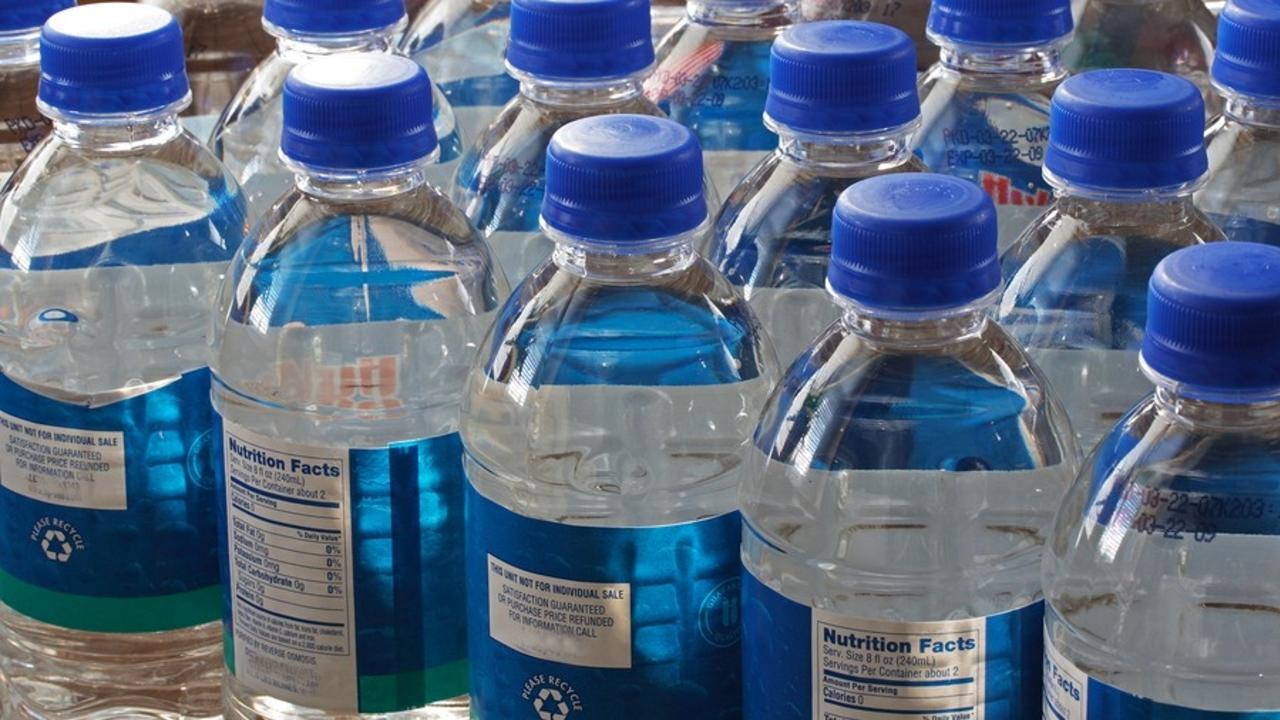
All Water Is Not Created Equal
Everyone's carrying a water bottle. But not all water hydrates the same way.
You can drink a gallon of the wrong type and still end up chronically dehydrated, running to the bathroom every hour while your cells stay thirsty.
The difference isn't just purity. It's mineral content, osmolarity, and whether your body can actually hold onto what you're drinking.
Here's how to choose water that actually works.
Why Water Type Matters for Hydration
Your body doesn't just need H₂O molecules. It needs water with the right mineral content and electrical charge to move across cell membranes and stay in your tissues.
Pure water (no minerals) has low osmolarity. It passes through your system quickly because there's nothing holding it in your cells. You drink it, you pee it out, and your intracellular hydration status doesn't change.
Water with minerals has higher osmolarity. The dissolved electrolytes (sodium, magnesium, calcium, potassium) create the osmotic g...