Wheat - What is it Good For? Absolutely Nothing!

Educational Content Disclaimer: This article provides educational information only and is not intended as medical advice, diagnosis, or treatment. Food allergies, particularly those causing anaphylaxis, are serious medical conditions requiring professional care. Always work with qualified healthcare providers for diagnosis and treatment. If you experience symptoms of anaphylaxis (difficulty breathing, throat swelling, rapid heart rate, severe reactions), seek emergency medical care immediately. Dr. JJ Gregor is a Doctor of Chiropractic licensed in Texas and practices within the scope of chiropractic care.
Wheat – What is it Good For? Absolutely Nothing!
The smell of homemade bread on Sunday mornings. Wholesome. Comforting. Safe.
Except it's not.
Every time you eat bread, pasta, crackers, or any product made from wheat, you're triggering inflammatory processes that damage your gut lining, dysregulate your immune system, and contribute to chronic disease.
Heart disease. Autoimmu...
What You Should Know About Epidurals (part 2)

The Side effects of Epidurals on babies
By Dr. J. J. Gregor DC, DIBAK, DCCN
We talked yesterday about how epidurals affect the mother, and now I'd like to focus on the side effects of epidurals on babies. It's easy to see that the epidural can give instant relief to the mother. However, what may not be so obvious, is what an epidural can do to your baby.
First, when a drug is administered to mom, keep in mind the baby is still getting everything that she is. When mom gets a dose of the narcotic and opioid (epidural), Magnesium or any other drug for that matter, the baby gets equal or even higher dose per weight. The problem is that the baby doesn’t have the ability to metabolize these drugs as well as an adult, and they may be present in the fetal blood for up to 36 hours after the spinal anesthesia is administered.
Second, studies have shown that some of the local anesthetics used with the epidural may have an adverse effect on the baby’s immune system, and can cause fetal b...
What You Should Know About Epidurals (part 1)

The Effects and Side Effects of Epidurals
By Dr. J. J. Gregor DC, DIBAK, DCCN
Potential Side effects of epidurals
Having seen the birth of both of my children, I will never be too arrogant to tell any person going through one of life’s most excruciatingly painful experiences to not take advantage of modern pharmaceuticals. I myself haven’t taken a prescription or over the counter drug for about 15 years, but if I was in as much pain as Erin during TJ’s birth I would have been first in line for drugs!
This is a very delicate topic , but I am going to present the potential downsides of the epidural by providing information so every woman can make an informed decision.
First, let’s talk about what an epidural really is.
Considered the most popular pain relief during labor, epi is defined as above in latin/greek, and the dura is the covering of the central nervous system (CNS). An epidural is an injection of a drug into your spine above the sack that covers your CNS. It is usually a ...
Cesarean Risks for Babies

Cesarean deliveries pose many risks for babies
By Dr. J. J. Gregor DC, DIBAK, DCCN
Although it's been discussed that cesarean births are much less traumatic for the babies than vaginal births, I tend to disagree. In fact, I think cesarean’s are possibly more traumatic, just in a different fashion.
During a vaginal delivery, there is a tremendous amount of pressure placed on the baby, which makes sense because you're basically squeezing something the size of a cantaloupe through a lemon sized hole. However, this pressure is essential, as it ensures the baby’s lungs clear with their first breath. This would also explain why there is a huge increase in asthma and other respiratory disorders in c-section babies.
There are strong correlations from both Osteopathic and Chiropractic professions that the pressure and trauma from birth may be necessary and induces proper cranial motion. If this cranial motion doesn’t happen properly it Cesareans can lead to increased incidents of:
Colic du...
Things to Consider Before Electing a Cesarean (C-Section)
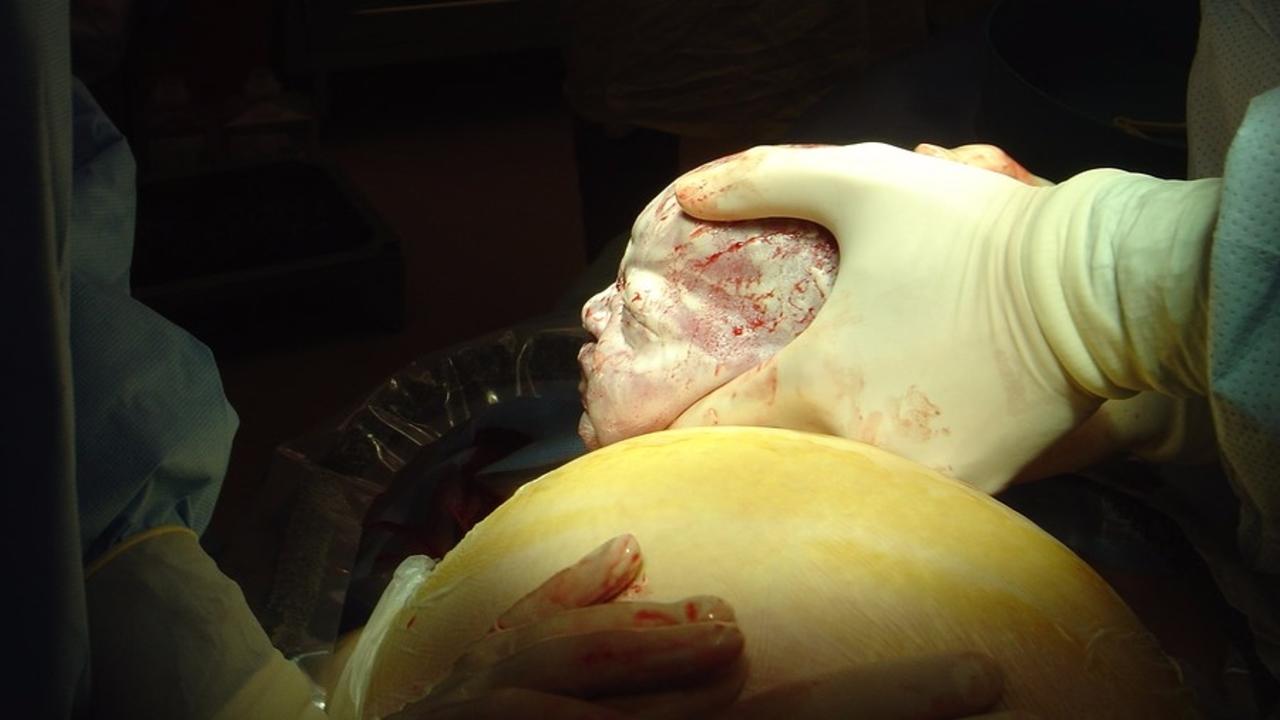
Elective C-section convenience or major risk to baby and Mother?
By Dr. J. J. Gregor DC, DIBAK, DCCN
When we found out we were pregnant with our first child; we received lots and lots of advice. Some solicited, and well, for those who have had a baby, you know most of it is unsolicited. One thing we were told quite often was to opt for an elective c-section because it was so easy. It was an option that never sat well with us in the first place, and after more research, it became a decision we wanted to stay far, far away from.
C-sections are sometimes necessary, beneficial and life-saving. However, in today’s world where uncertainty is never welcome, more and more women are opting for the elective c-section. It allows them to schedule the exact day their baby will be welcomed into the world, and it cuts back on time ‘wasted’ in labor. Doctors also appreciate the elective c-section because it also sets their schedule. However, there are multiple risks to both mother and baby th...
Hospital vs. Birthing Center

Our Personal story of Advantages of a birthing center over hospital
By J. J. Gregor DC
Working in this field, I always had my opinions on delivering in a hospital versus a birthing center. However, I'll be honest; I never thought it would be something I would experience first hand. To say, my son, TJ was a shock, would be a massive understatement. We took six pregnancy tests and never actually believed any of them. It was finally the sight of a tiny bean-like figure on an ultrasound, that confirmed we were going to be parents.
The thought of a birthing center crossed our mind, but Erin was considered high risk. So since we had no idea what we were doing, we decided to go the traditional medical route of a hospital birth with an OBGYN and the “safety” of a level 4 NICU.
TJ's due date was December 25th. As much as we wanted to wait for him to come when he was ready, we also knew we didn't want to be in the hospital delivering on Christmas. Our fear was we would have a doctor p...