
What They Put On It Before You Eat It

Educational Content Disclaimer: This article provides educational information only and is not intended as medical advice, diagnosis, or treatment. The content discusses general health topics and should not replace consultation with your licensed healthcare provider. Always consult with your doctor before making changes to your diet, supplements, or medications. Dr. JJ Gregor is a Doctor of Chiropractic licensed in Texas and practices within the scope of chiropractic care.
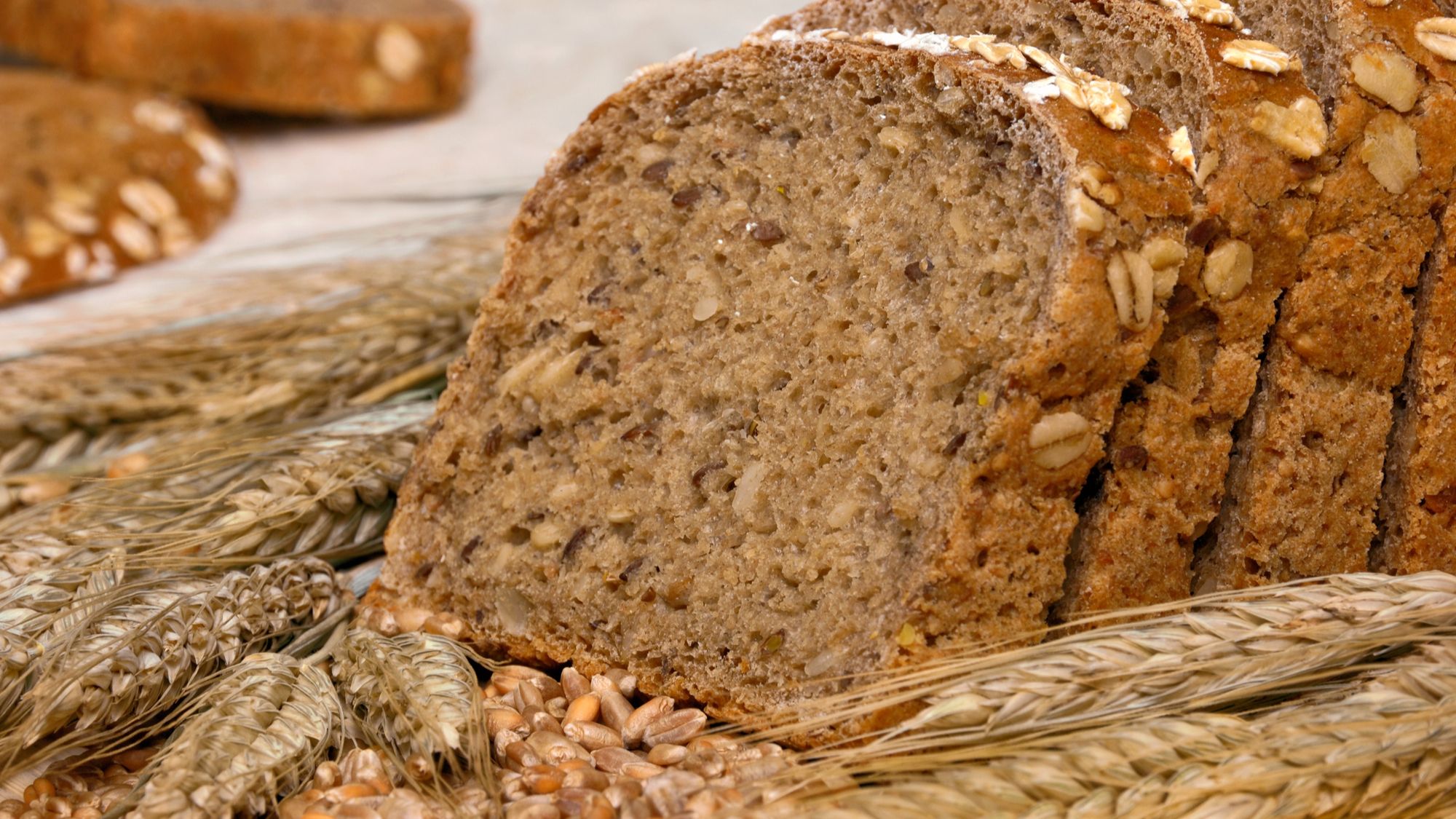
Earlier this week we covered what happened to the wheat plant itself. The hybridization, the protein composition shift, the milling losses, the methylation problems from synthetic folic acid. That's the story of what the grain became between 1965 and today.
This post is about what happens to it in the field and after it leaves the field.
By the time that wheat arrives in your bread, your pasta, your crackers, your cereal, it has been through a set of interventions that would be unrecognizable to anyone farming ...
This Isn't the Wheat Your Grandparents Ate
Educational Content Disclaimer: This article provides educational information only and is not intended as medical advice, diagnosis, or treatment. The content discusses general health topics and should not replace consultation with your licensed healthcare provider. Always consult with your doctor before making changes to your diet, supplements, or medications. Dr. JJ Gregor is a Doctor of Chiropractic licensed in Texas and practices within the scope of chiropractic care.
I'll be honest with you. I've eaten like a drunk, angry toddler for the past few months. My waistline shows it. My joints show it. My skin shows it. So this series is partly clinical and partly cathartic, because I know better and I've been ignoring what I know.
Writing is therapeutic sometimes.
I grew up loving bread. One of the fondest memories I have is weekend mornings when my parents had a bread maker going, waking up to cinnamon raisin bread with the crispy outside and that warm, gooey inside. Slather tha...
Cortisol Resistance: Why You're Exhausted But Can't Relax

Educational Content Disclaimer: This article provides educational information only and is not intended as medical advice, diagnosis, or treatment. The content discusses general health topics and should not replace consultation with your licensed healthcare provider. Always consult with your doctor before making changes to your diet, supplements, or medications. Dr. JJ Gregor is a Doctor of Chiropractic licensed in Texas and practices within the scope of chiropractic care.
You're exhausted. Bone-deep, can't-get-out-of-bed exhausted. But you can't relax. Your mind races. Your heart pounds. You feel wired and anxious despite being completely depleted.
This doesn't make sense. How can you be exhausted AND wired at the same time?
The answer is cortisol resistance.
It's the same mechanism as insulin resistance, but instead of your cells ignoring insulin, they're ignoring cortisol. Your body keeps producing cortisol (or trying to), but your cells have stopped responding to it.
This i...
Why You Can't Sleep at Night But Can't Wake Up in the Morning (The Cortisol Problem)
Educational Content Disclaimer: This article provides educational information only and is not intended as medical advice, diagnosis, or treatment. The content discusses general health topics and should not replace consultation with your licensed healthcare provider. Always consult with your doctor before making changes to your diet, supplements, or medications. Dr. JJ Gregor is a Doctor of Chiropractic licensed in Texas and practices within the scope of chiropractic care.
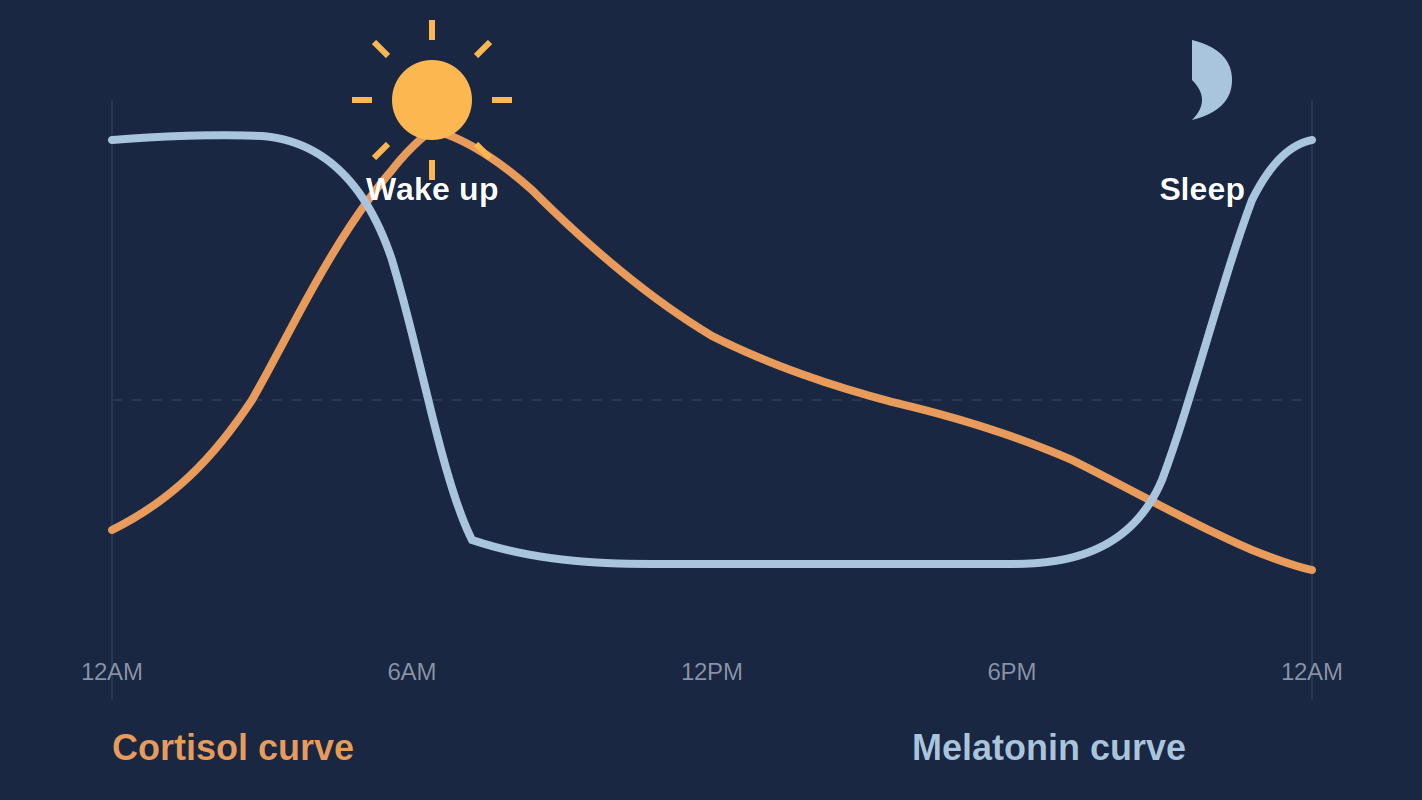
You can't fall asleep at night. Your mind won't shut off. You're exhausted but wired. When you finally do sleep, you wake up at 2 or 3 AM and can't get back to sleep.
Then morning comes. The alarm goes off. You feel like you've been hit by a truck. You can't get out of bed. Coffee doesn't help. You're a zombie until 10 or 11 AM.
This sounds like two separate problems. It's not.
It's one problem: your cortisol rhythm is broken.
What Cortisol Is Supposed To Do
Cortisol is your primary stress hormone, produced...
Stress Is More Than Just Emotional

Educational Content Disclaimer: This article provides educational information only and is not intended as medical advice, diagnosis, or treatment. The content discusses general health topics and should not replace consultation with your licensed healthcare provider. Always consult with your doctor before making changes to your diet, supplements, or medications. Dr. JJ Gregor is a Doctor of Chiropractic licensed in Texas and practices within the scope of chiropractic care.
I ask every patient the same question: "Are you experiencing stress?"
Nine times out of ten, the answer is: "No, Doc. I'm good. Life is good. The kids are fine. Job's stable. House is safe. I don't experience stress on a daily basis."
Then I examine them. And everything I find tells me the opposite. Their body is screaming stress signals.
Here's the disconnect: when most people hear "stress," they only think about the emotional stuff. The difficult boss. The relationship problems. The financial pressure. Th...
Low Carb Diets Don't Cause Diabetes. This Study Just Proved It.

Educational Content Disclaimer: This article provides educational information only and is not intended as medical advice, diagnosis, or treatment. The content discusses general health topics and should not replace consultation with your licensed healthcare provider. Always consult with your doctor before making changes to your diet, supplements, or medications. Dr. JJ Gregor is a Doctor of Chiropractic licensed in Texas and practices within the scope of chiropractic care.
We wonder why no one trusts science anymore.
And anyone who says "trust the science" without being willing to actually look at the science is probably full of it. A new study published in Diabetes Care, the American Diabetes Association's journal, is making the rounds claiming that low carb diets increase your risk of Type 2 diabetes by 31%.
Nearly five million person-years of follow-up. Over 20,000 documented Type 2 diabetes cases. Three massive cohort studies spanning 30 years.
That's a ground-shaking study....
Why Vegetable Oils Destroy Your Heart (The Oxidation Problem)
Educational Content Disclaimer: This article provides educational information only and is not intended as medical advice, diagnosis, or treatment. The content discusses general health topics and should not replace consultation with your licensed healthcare provider. Always consult with your doctor before making changes to your diet, supplements, or medications. Dr. JJ Gregor is a Doctor of Chiropractic licensed in Texas and practices within the scope of chiropractic care.
Your doctor tells you to avoid butter and use "heart-healthy" vegetable oil instead.
Your doctor is wrong.
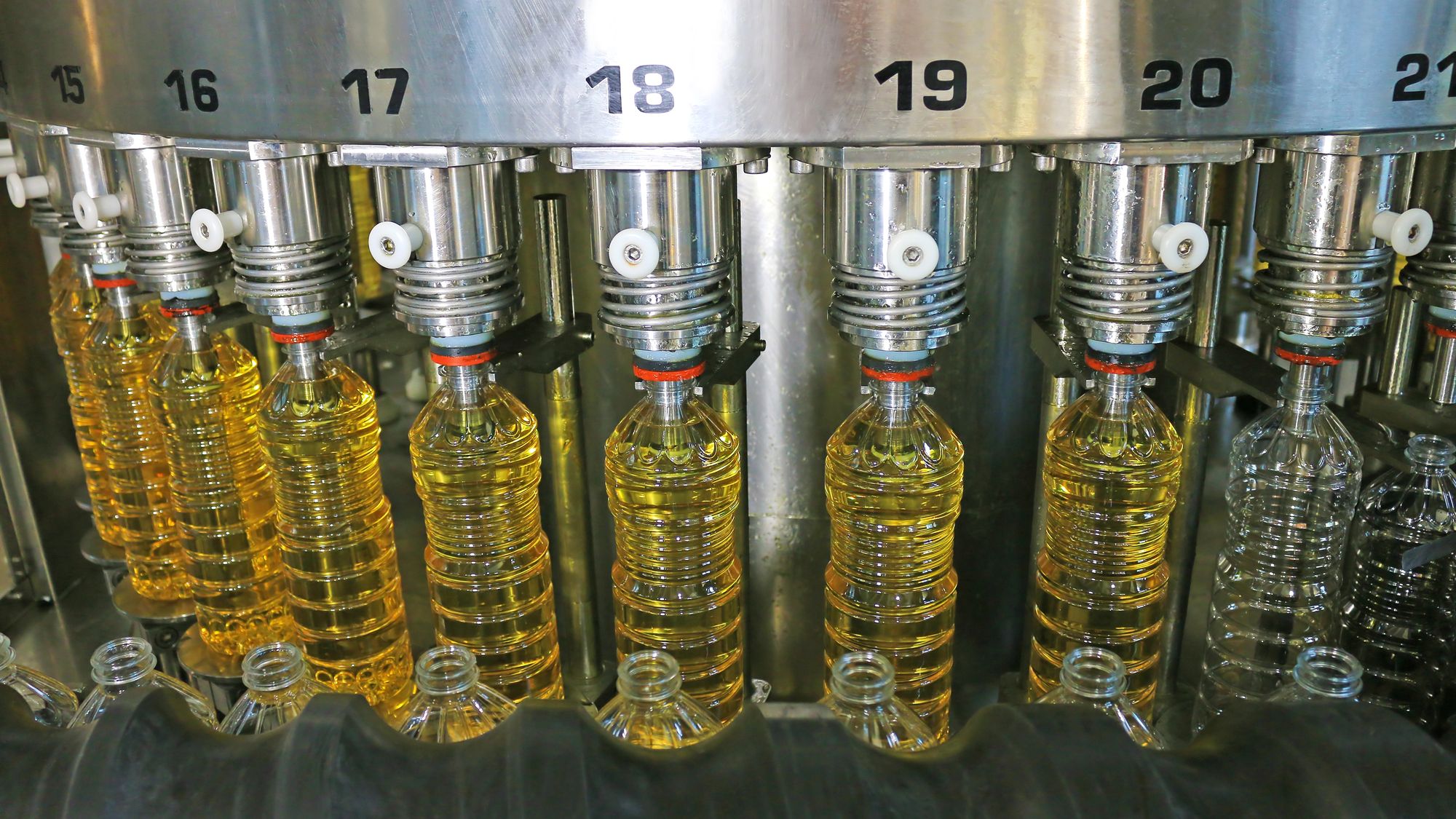
Vegetable oils are the #1 dietary cause of heart disease in America. Not cholesterol. Not saturated fat. Industrial seed oils.
Here's why.
What Are "Vegetable Oils"?
First, let's be clear about what we're talking about. These aren't oils from vegetables.
Industrial seed oils:
- Canola oil (rapeseed)
- Soybean oil
- Corn oil
- Vegetable oil (usually soybean)
- Sunflower oil
- Safflower oil
- Cottonseed oil ...
Advanced Heart Health Lab Testing: What to Actually Order
Educational Content Disclaimer: This article provides educational information only and is not intended as medical advice, diagnosis, or treatment. The content discusses general health topics and should not replace consultation with your licensed healthcare provider. Always consult with your doctor before making changes to your diet, supplements, or medications. Dr. JJ Gregor is a Doctor of Chiropractic licensed in Texas and practices within the scope of chiropractic care.
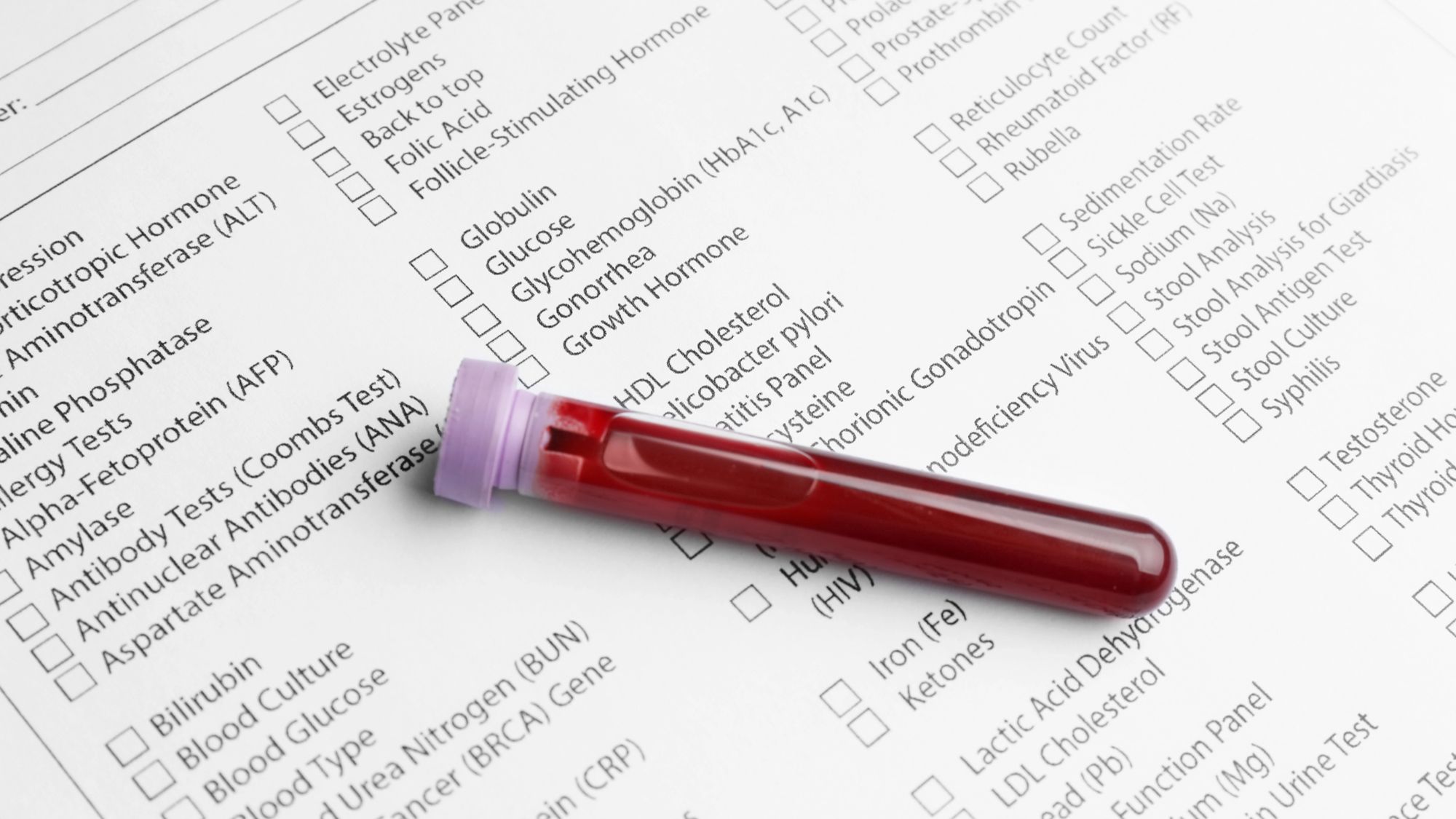
Your doctor orders a lipid panel. Total cholesterol, LDL, HDL, triglycerides. Maybe fasting glucose if you're lucky.
The results come back "normal." Your doctor says you're fine.
But you don't feel fine. You're tired, carrying extra weight around your midsection, dealing with brain fog. You know something's wrong.
Here's the problem: standard lab panels miss 90% of cardiovascular dysfunction.
They don't measure inflammation. They don't measure oxidative stress. They don't measure insulin resistance or arteria...
Heart-Healthy Foods Real List - What Really Feeds Your Heart
Educational Content Disclaimer: This article provides educational information only and is not intended as medical advice, diagnosis, or treatment. The content discusses general health topics and should not replace consultation with your licensed healthcare provider. Always consult with your doctor before making changes to your diet, supplements, or medications. Dr. JJ Gregor is a Doctor of Chiropractic licensed in Texas and practices within the scope of chiropractic care.
The American Heart Association tells you to eat whole grains, vegetable oils, and low-fat everything.
Meanwhile, heart disease remains the #1 killer in America.
Maybe the advice is wrong.
Here's the real list of heart-healthy foods—the ones that reduce inflammation, prevent oxidation, stabilize blood sugar, and support cardiovascular function.
Spoiler: butter made the list. Vegetable oil didn't.
What "Heart-Healthy" Actually Means
Before we get to the list, let's define terms.
Carnivore Cleanse for Heart Health
Educational Content Disclaimer: This article provides educational information only and is not intended as medical advice, diagnosis, or treatment. The content discusses general health topics and should not replace consultation with your licensed healthcare provider. Always consult with your doctor before making changes to your diet, supplements, or medications. Dr. JJ Gregor is a Doctor of Chiropractic licensed in Texas and practices within the scope of chiropractic care.
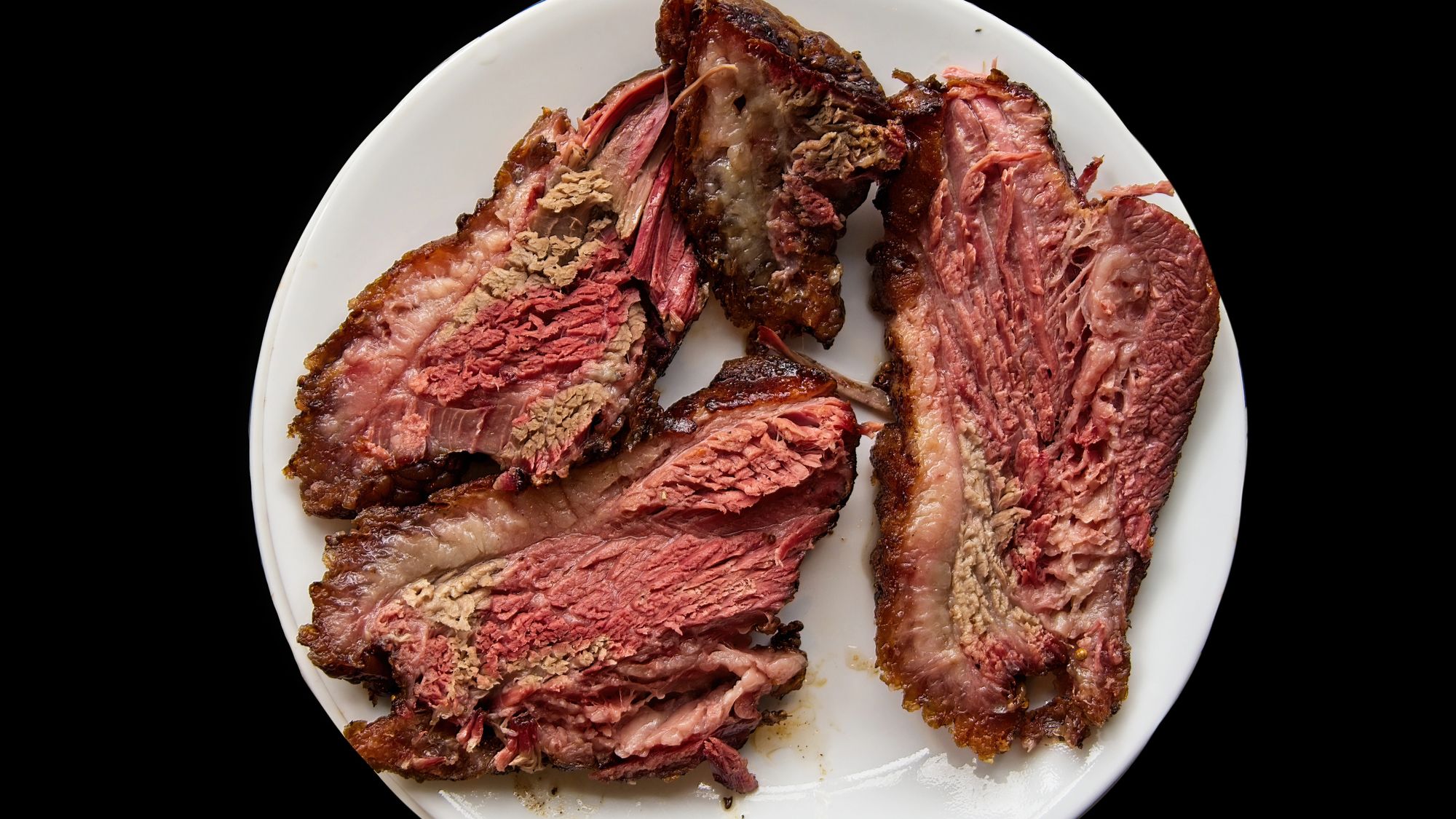
I ran an experiment on myself. Thirty days eating nothing but meat, fish, eggs, and animal fats.
My total cholesterol dropped from 230 to 198. My triglycerides dropped 40%. My HDL went up. My inflammation markers improved.
Most importantly: I felt incredible. Energy was stable all day. Brain fog gone. Joint pain gone. Digestive issues resolved.
This wasn't a permanent diet. It was a cleanse. A metabolic reset. An elimination diet taken to its logical conclusion.
Here's why a carnivore cleanse works for heart ...