
Low Carb Diets Don't Cause Diabetes. This Study Just Proved It.
Educational Content Disclaimer: This article provides educational information only and is not intended as medical advice, diagnosis, or treatment. The content discusses general health topics and should not replace consultation with your licensed healthcare provider. Always consult with your doctor before making changes to your diet, supplements, or medications. Dr. JJ Gregor is a Doctor of Chiropractic licensed in Texas and practices within the scope of chiropractic care.
We wonder why no one trusts science anymore.
And anyone who says "trust the science" without being willing to actually look at the science is probably full of it. A new study published in Diabetes Care, the American Diabetes Association's journal, is making the rounds claiming that low carb diets increase your risk of Type 2 diabetes by 31%.
Nearly five million person-years of follow-up. Over 20,000 documented Type 2 diabetes cases. Three massive cohort studies spanning 30 years.
That's a ground-shaking study. Low carb is the devil. It's gonna kill you.
Except I read past the abstract.
Here's what the study actually measured, and here's the much more interesting finding the researchers buried in their own results.
Problem One: That's Not a Low Carb Diet
The researchers built something called an "LCD score" and divided everyone into five quintiles ranked from most to least carbohydrate intake.
The highest quintile, the group they labeled "low carb," ate approximately 40% of their calories from carbohydrates.
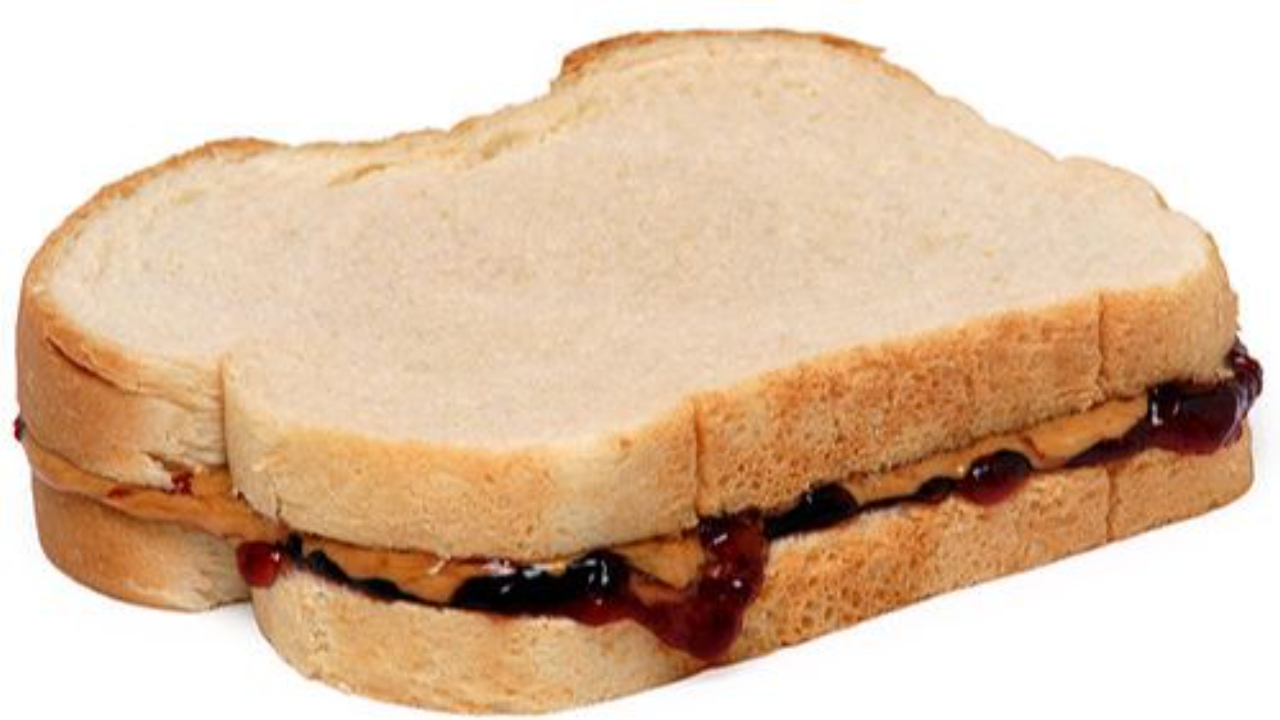
That's a peanut butter and bread sandwich. That's oatmeal for breakfast, rice with your salmon at dinner, and skipping the bread roll. That's just... Tuesday for most people who've made a half-hearted attempt to eat better.
Low carb in any clinical context sits around 25-26% of calories from carbohydrates, under 130 grams per day. Ketogenic diets drop it to 10% or less. The threshold matters. Anyone who has actually put patients on a low carb protocol for metabolic health knows the difference between 40% carbs and 20% carbs is the entire ballgame.
For context: the standard dietary guidelines recommend 45-65% of calories from carbohydrates. So yes, technically 40% is lower. It's also not close to what practitioners mean when they say "low carb."
The researchers weren't studying low carb diets. They were studying people who ate slightly fewer carbs than average Americans, sorted into a category, and called it low carb.
Problem Two: How They Measured Diet Is Genuinely Laughable
Food frequency questionnaires, assessed every 2-4 years, over 30 years.
Here's what that means in practice: every few years, someone mails you a form asking you to remember what you ate over the past year. How often did you eat dark bread? How much pasta per week? Whole milk or skim?
I can barely remember what I ate last week. Some days I can barely remember what I had for lunch. To ask people to accurately recall a full year of eating patterns, then use that data to draw 30-year conclusions about metabolic disease, is a stretch that deserves a little skepticism.
More importantly, nobody in this study was following a prescribed low carb diet. They ate whatever they ate, and researchers assigned them LCD scores afterward. Someone could have landed in the "high LCD quintile" because they happened to drink more whole milk and eat less bread, while also eating hot dogs, chips, and sugar-sweetened everything. That technically shifts the carb ratio downward. That's not a therapeutic dietary intervention. That's eating habits measured imprecisely and sorted into categories.
Problem Three: The Risk Keeps Shrinking When You Look Harder
Before adjusting for BMI, the hazard ratio comparing highest to lowest quintile was 1.78. After adjusting for BMI and other factors, it dropped to 1.31. After further adjusting for time-varying BMI across the follow-up period, it dropped again to 1.19.
The association keeps shrinking as you account for metabolic status.
Here's a plausible alternative explanation for the entire result: people who eat more animal fat and protein without intentionally reducing their refined carbs tend to gain weight more easily, because the protein and fat fill your metabolic needs and the remaining carbs get preferentially stored as body fat. Weight gain causes insulin resistance. Insulin resistance progresses to Type 2 diabetes.
The problem isn't the protein and fat. It's the absence of any coherent dietary strategy. Someone scoring high on an "animal-based LCD" in this dataset could easily be eating a fast food burger without the bun (no bun shifts the carb ratio), processed deli meat, and shredded cheese alongside regular soda and condiments. That's not a low carb diet. That's just eating without thinking.
The Finding They Actually Buried
Here's what the headline should have said.
The researchers didn't create just one LCD score. They created five, each categorized differently based on the quality and source of macronutrients. When they broke results down by subcategory:
A vegetable-based low carb diet emphasizing plant protein and fat was associated with a 6% lower risk of Type 2 diabetes.
A "healthy LCD" that further reduced refined carbohydrates was associated with a 15% lower risk of Type 2 diabetes.
Read that again. The low carb approach that cut refined carbohydrates and prioritized food quality was protective against diabetes. The version associated with increased risk was the one that swapped carbs for processed animal products without any quality consideration.
The study doesn't show that low carb causes diabetes. It shows that reducing carbs while eating processed food and ignoring food quality produces bad outcomes. That's not a low carb problem. That's a food quality problem.
What the Clinical Trial Data Actually Shows
Observational cohort studies can identify associations. They cannot tell you what causes what. For that, you need randomized controlled trials where researchers actually put people on defined diets and track outcomes.
The clinical trial data on genuine low carb diets says something very different.
A 2021 meta-analysis in the BMJ of 23 randomized controlled trials found low carb diets achieved a 57% diabetes remission rate (HbA1c below 6.5%) at six months, compared to 31% in control diet groups. Nearly double. That's not a rounding error.
The mechanism isn't complicated. Standard blood sugar tests like fasting glucose and HbA1c don't even catch the early dysfunction that low carb diets address most directly: post-meal glucose spikes and the chronic insulin demand they create. When you remove the substrate driving that insulin secretion, you reduce the demand that eventually exhausts your beta cells and creates peripheral insulin resistance. You can't get blood sugar chaos from carbohydrates you didn't eat.
Why This Keeps Happening
The headline is technically derived from the data. The hazard ratio is real. The association was measured. The problem is what gets counted as "low carb" and what an observational design can actually tell us.
The researchers' own conclusion, buried at the end of the paper, was that low carb diets may be beneficial for diabetes prevention when they prioritize plant-based protein, healthy fats, and high-quality carbohydrates. That's a reasonable position. That's also not "low carb diets cause diabetes."
Dietary guidelines developed by institutions with longstanding relationships with grain and sugar industries tend to generate research framing that supports moderate carbohydrate consumption as the default safe position. I'm not saying the researchers manipulated their data. I'm saying the choice of what counts as a meaningful dietary category, and which findings lead the abstract, reflects something other than pure clinical curiosity.
What Actually Matters
Refined carbohydrates and high fructose corn syrup drive metabolic dysfunction through mechanisms that whole food protein and fat don't. The blood sugar dysfunction that progresses to Type 2 diabetes starts long before fasting glucose gets flagged on a standard lab panel, and the dietary choices that accelerate that progression are almost always processed food, not intentional macronutrient reduction.
The data from this study, read carefully, supports what functional practitioners have been saying for years.
Eat real food. Stop eating garbage. Move your body.
The bread and peanut butter that prompted this post? That's 40% calories from carbohydrates. By this study's definition, that's the "low carb" diet causing all the trouble.
That should tell you everything you need to know about how to read this headline.
If you're concerned about your blood sugar patterns or want to understand what's actually happening with your metabolic health, Dr. JJ Gregor offers comprehensive functional health evaluations in Frisco, Texas. Schedule a consultation to get a complete picture, not just the tests that miss the problem.
Stay connected with news and updates!
Join our mailing list to receive the latest news and updates from our team.
Don't worry, your information will not be shared.