
Introducing PCOS: Your Guide to Balancing Hormones and Embracing Wellness
PCOS, short for polycystic ovary syndrome, is a very mysterious disease in the complex world of female endocrine physiology.
Picture this: Every month, like clockwork, your face throws a pimple party - note that this is not your average "oops, I have a little blemish" party. No, this type of acne feels like your pores are rebelling.
Those pesky pimples are like miniature protesters, highlighting signs of inflammation and demanding attention as if your skin has decided to start a revolution. But wait, there's more to this mysterious condition than just acne.
PCOS has many surprises in store. PCOS likes to play hide-and-seek with your menstrual cycle, which can lead to "irregular periods," which can be a headache. It's as if your ovaries have decided to have a follicle festival with fluid-filled sacs known as "follicles" or "cysts." Now, everyone has follicles, but PCOS likes to bring an extra guest to the part...
Body by Science: Once Weekly Strength Training Protocol

Educational Content Disclaimer: This article provides educational information only and is not intended as medical advice, diagnosis, or treatment. The content discusses general health topics and should not replace consultation with your licensed healthcare provider. Always consult with your doctor before starting any new exercise program. Dr. JJ Gregor is a Doctor of Chiropractic licensed in Texas and practices within the scope of chiropractic care.
You Were Built to Carry Heavy Things
Your ancestors didn't have gyms. They had survival.
After the kill—30 to 90 seconds of maximum effort sprint—came the work: butchering the animal, loading meat onto shoulders and backs, carrying it miles back to camp.
Heavy. Functional. Purposeful.
This built strength through time under tension. Sustained load. Muscle working against resistance until exhaustion, then recovery for days before the next hunt.
Modern strength training tries to replicate this with progressive overload, but most peop...
The 1% Rule: Small Daily Wins, Compounding Results

Educational Content Disclaimer: This article provides educational information only and is not intended as medical advice, diagnosis, or treatment. The content discusses general health topics and should not replace consultation with your licensed healthcare provider. Always consult with your doctor before making changes to your diet, supplements, or medications. Dr. JJ Gregor is a Doctor of Chiropractic licensed in Texas and practices within the scope of chiropractic care.
"Most people overestimate what they can do in a day and underestimate what they can do in a month. We overestimate what we can do in a year and underestimate what we can accomplish in a decade."
Matthew Kelly wrote that. It's from The Long View. I've been sitting with it for a while.
Here's the math that goes with it.
You start as a whole 1. If you improve just one percent every day, at the end of a year you have moved 37 times beyond where you started.
(1.01)^365 = 37.78
If you do nothing, nothing changes.
...Statins - The CoQ10 Theft
Educational Content Disclaimer: This article provides educational information only and is not intended as medical advice, diagnosis, or treatment. The content discusses general health topics and should not replace consultation with your licensed healthcare provider. Always consult with your doctor before making changes to your diet, supplements, or medications. Dr. JJ Gregor is a Doctor of Chiropractic licensed in Texas and practices within the scope of chiropractic care.
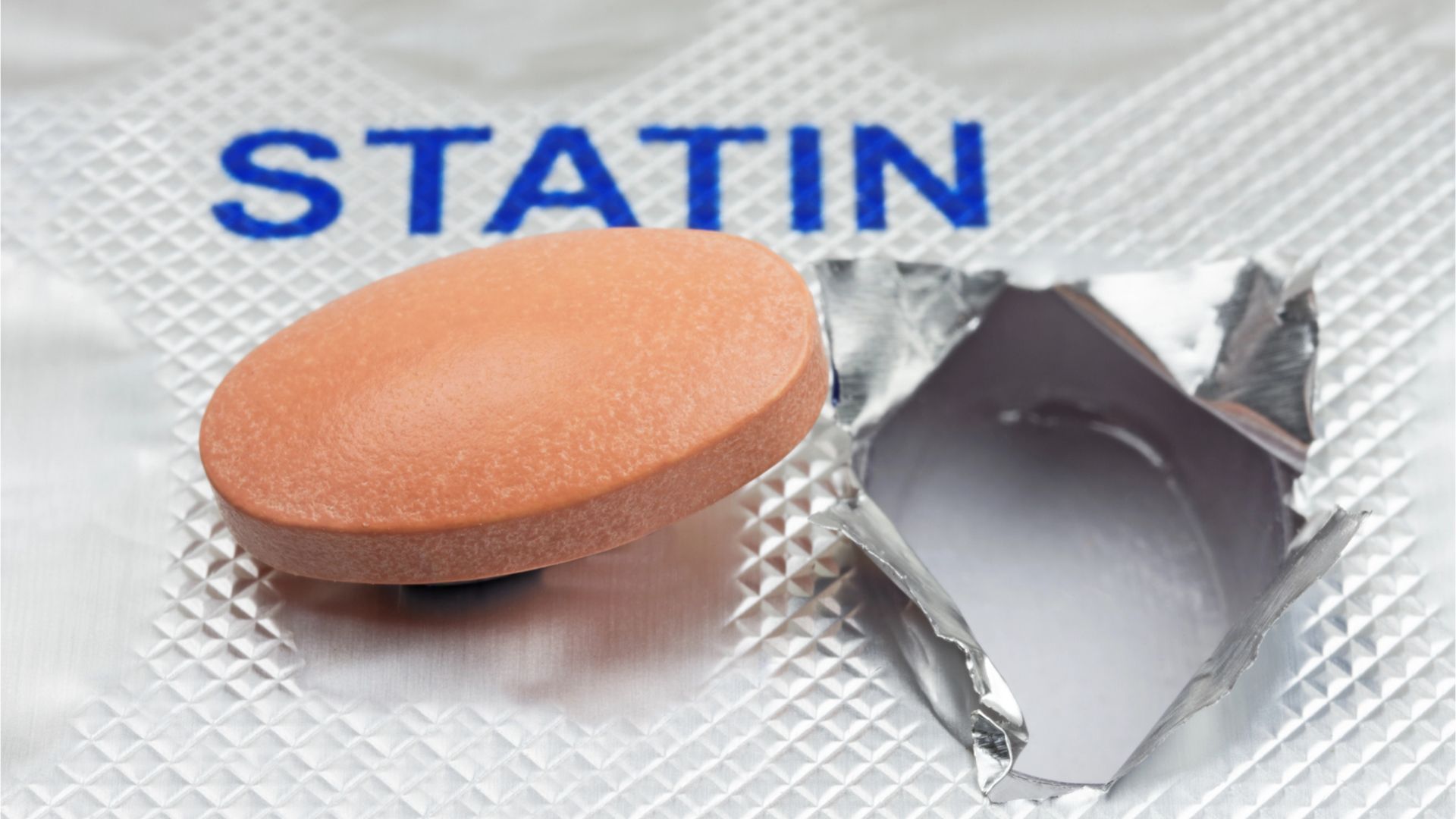
Your doctor says your cholesterol is too high. You need to take a statin or you'll have a heart attack.
You take the pill every day. Your cholesterol drops. Your doctor is happy.
But you feel terrible. Your muscles ache. You're exhausted. You can't exercise like you used to. Walking up stairs leaves you winded.
Your doctor says this is normal. Just keep taking the statin.
Here's what your doctor didn't tell you: statins are stealing the fuel your heart needs to beat.
How Statins Work (And Why That's a Prob...
What Your Cholesterol Numbers Actually Mean

Educational Content Disclaimer: This article provides educational information only and is not intended as medical advice, diagnosis, or treatment. The content discusses general health topics and should not replace consultation with your licensed healthcare provider. Always consult with your doctor before making changes to your diet, supplements, or medications. Dr. JJ Gregor is a Doctor of Chiropractic licensed in Texas and practices within the scope of chiropractic care.
You get your cholesterol test results. You see a bunch of numbers. Your doctor says one thing. The internet says another.
What do these numbers actually mean?
More importantly: which numbers actually matter for heart disease risk?
Here's what your cholesterol panel is telling you and what it's not.
The Standard Cholesterol Panel
Most doctors order a basic lipid panel with four numbers:
- Total cholesterol
- LDL cholesterol
- HDL cholesterol
- Triglycerides
They look at these numbers, compare them to "norm...
Cholesterol: The Myth That Won't Die

Educational Content Disclaimer: This article provides educational information only and is not intended as medical advice, diagnosis, or treatment. The content discusses general health topics and should not replace consultation with your licensed healthcare provider. Always consult with your doctor before making changes to your diet, supplements, or medications. Dr. JJ Gregor is a Doctor of Chiropractic licensed in Texas and practices within the scope of chiropractic care.
Your doctor tells you your cholesterol is high. You need to start a statin immediately or you'll have a heart attack.
You're scared. You comply. You take the medication.
Your cholesterol drops. You feel terrible. Brain fog, muscle pain, fatigue.
But hey, at least your cholesterol is lower, right?
Here's what your doctor didn't tell you: the entire cholesterol-heart disease hypothesis is one of the biggest medical frauds of the last 70 years.
Cholesterol doesn't cause heart disease. It never did.
And the e...
I Just Want My Hour Back!
Educational Content Disclaimer: This article provides educational information only and is not intended as medical advice, diagnosis, or treatment. The content discusses general health topics and should not replace consultation with your licensed healthcare provider. Always consult with your doctor before making changes to your diet, supplements, or medications. Dr. JJ Gregor is a Doctor of Chiropractic licensed in Texas and practices within the scope of chiropractic care.
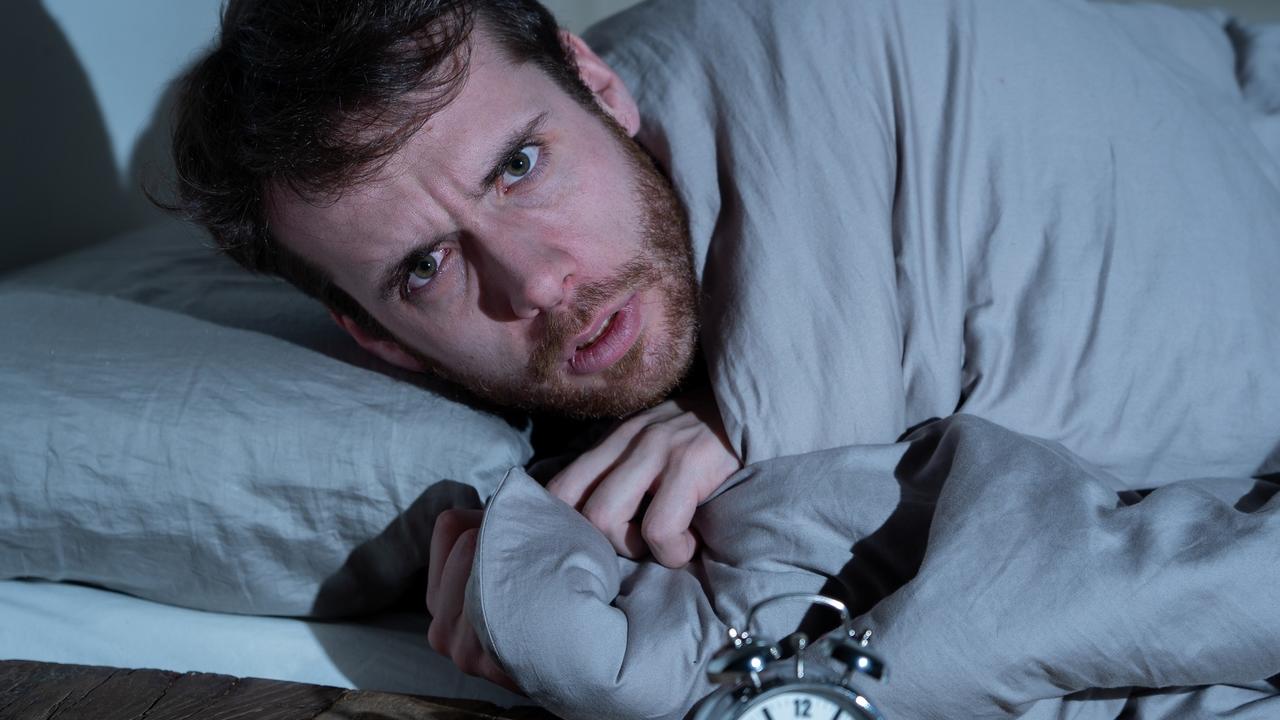
We've all been stolen from, and no, I'm not talking about taxes. I tried calling the police because it's something very precious to me. The police couldn't do anything about it.
What was stolen was an hour of sleep. The Government in their infinite wisdom decided to implement daylight savings time.
The week after DST starts is my least favorite week of the year. I know some of you LOVE this time of year. "We get more sunlight in the evening" is somewhat valid. Blah blah blah. I call BS. Have you ever had to exp...
ANGER! What Is It Good For?
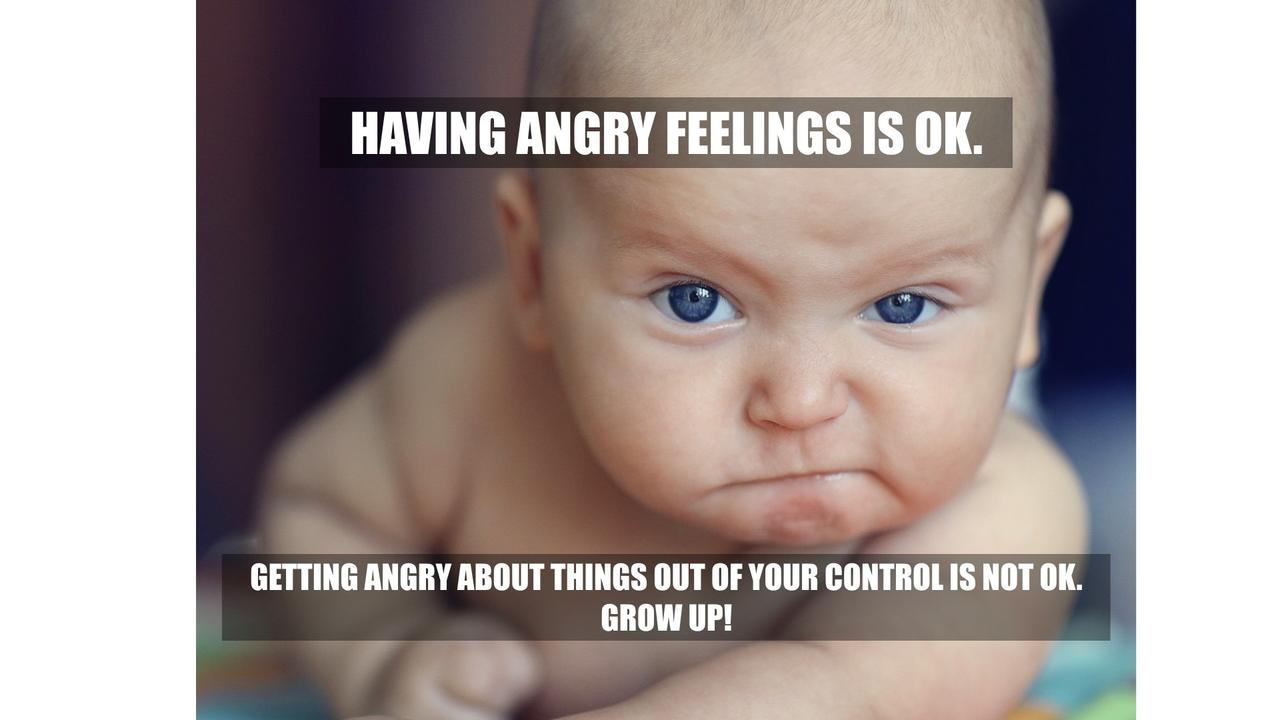
Most of us have been taught anger is terrible. And I will say it can easily be horrible when it is misplaced or an overreaction to someone or something. And if your anger is way to close to the surface and you take it out on your loved ones, coworkers, or other people in your life, then YES anger is bad. But what if anger could be the root of all change? What if you can use your anger with something to make a change in your life productively, and what is around you?
Let's get this straight I have this strange dichotomy of thoughts in my head.
On one side, I have the Stoic philosophy of Marcus Aurelius, Seneca, and modern thought leaders like Gary John Bishop. What Stoicism says about life is that happiness brought through accepting the moment as it is, nothing more nothing less. Not getting angry or upset with the circumstances accepting them as they are and keeping calm and move on, stay in the damn moment.
This keeps you from being controlled by the drives for pleasure or the...
Coronavirus onslaught!
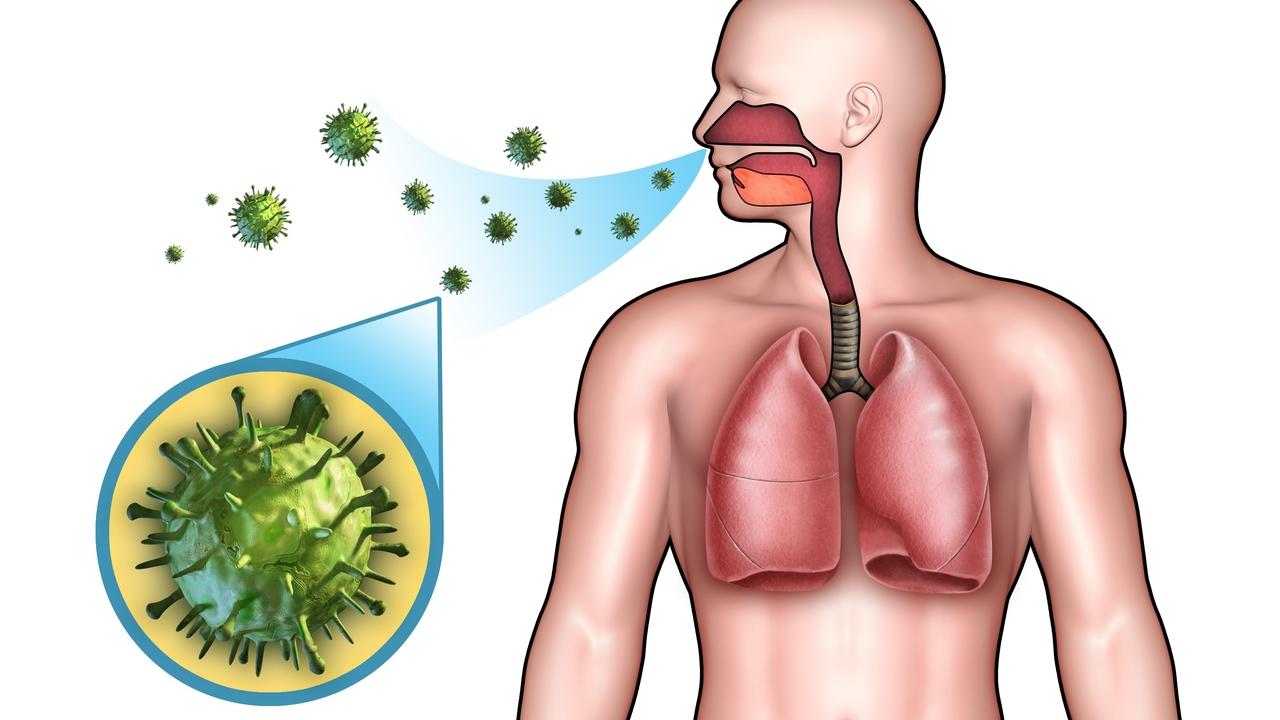
Wow, times they are getting crazy!
People are seriously losing their minds getting ready for the Coronavirus onslaught. Erin went to Costco today (Monday), and it was like a Saturday, and everyone was loading up on water, toilet paper, and other essentials.
There are a ton of ways to build your immune system, but we always want to think along the lines of what we can do structurally, chemically, and emotionally to balance our bodies so that we don't get sick.
Obviously, I believe getting adjusted can help you stay well and function optimally (Video of Dan Murphy DC, talking about chiropractic and 1918 flu). Let's talk about what we can do to keep ourselves healthy through the potential pandemic.
Coronavirus or COVID-19 symptoms if you haven't googled them yet are shortness of breath, fever, and cough with an incubation period of 2-14 days.
Disclaimer: This is intended to be informative and not medical advice. Consult with your physician if you feel like you have an infecti...
You Might Have Fewer Allergies If You Ate More Dirt!
You Might Have Fewer Allergies If You Ate More Dirt
The title sounds like clickbait. It's not. There's substantial evidence that early-life exposure to dirt, dust, animals, and microbes significantly reduces the risk of developing allergies and asthma. This isn't fringe science—it's the hygiene hypothesis, supported by decades of epidemiological and immunological research.
I'm not advocating eating mud pies or abandoning hand washing after using the bathroom. The medical profession's adoption of hand washing in the mid-1800s dramatically reduced maternal and infant mortality from puerperal fever. Ignaz Semmelweis, the physician who proposed that doctors wash their hands between autopsies and deliveries, was ridiculed by his colleagues, institutionalized, and died shortly after—only to have his theories validated posthumously as germ theory became accepted.
Hygiene matters. But our modern obsession with sterilizing every surface, eliminating all bacterial exposure, and using antimicr...